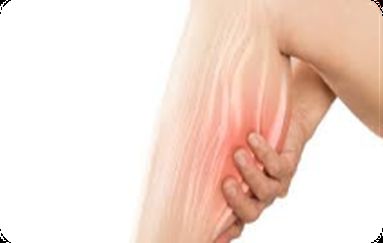
Muscle strain occurs when a muscle or tendon is overstretched or torn, often due to heavy lifting, sudden twisting, repetitive activities, or poor posture. Symptoms range from mild discomfort to severe pain, stiffness, and reduced mobility, affecting daily activities. Athletes, manual workers, and physically active individuals are particularly at risk. At Spine Mantra, specialised physiotherapy combines accurate diagnosis, personalised treatment, and patient education to relieve pain, restore movement, and prevent recurrence. Early intervention helps speed recovery, improve function, and reduce the likelihood of long-term complications, enabling patients to return safely to their normal activities.
Why Choose SpineMantra For Strain?
Engaging Spine Mantra to treat muscle strain will guarantee you professional attention by competent physiotherapists who are well-experienced in musculoskeletal rehabilitation. We apply the advanced diagnostic systems and individual treatment, prioritising the cause rather than the symptom. We have a comprehensive therapy that addresses pain management and restores the ability to move, as well as prevention over time, enabling you to be back in your routine in less time and with more vigour.
- Sudden or Forceful Movements– A rush or jerk may take a muscle to the edge as you do sprinting, jumping, twisting or lifting a heavy object. Such an overloading may result in minor muscle tears or complete fibre
- Repetitive Overuse– this is when the same movement is repeated over and over again without allowing the muscles to have time to rest and recover, leading to wear and tear. This is prevalent in sports, physically demanding work and repetitive tasks at the workplace.
- Muscle Fatigue and Imbalance-Fatigued or weak muscles have reduced strain-handling capabilities. In case a muscle group is stronger than the opposite one, the latter one may be overstressed and injured with greater ease.
- Insufficient Warm-Up and Cold Muscles-Failure to do warm-up stretches or do stretches with stiff muscles hurts the chances of avoiding strain. Cold muscles have less elasticity and are more prone to injury when there is abrupt movement.
- Inappropriate Mechanics and Ergonomics – Strain can arise due to improper posture, incorrect technique of lifting or working in a bad position and subjects the body to abnormal stresses that can subsequently result in strain.
- Sharp or Sudden Pain– this is normally the initial response of a strain, and it occurs when the tearing down of the muscle fibres It is a painful condition, and it may be considered either mild or severe, where the pain may be pointed or intense and increases with motion.
- Swelling and Inflammation– Following injury, blood and healing cells are rushed to the site by the body, which causes it to swell and, in most cases, become warm. This is part and parcel of the healing process, but this may also contribute to the pain.
- Muscle Spasms– The muscle will begin receiving uncontrollable contractions or twitches in an effort to protect itself from further damage. Such spasms may be painful and uncomfortable.
- Pain to Touch – Tenderness to touch, just a gentle contact on the damaged muscle may result in pain as the injured fibres and tissue around those fibres are sensitive.
- Loss of Range of Movement in the Muscle – The strain can impair the capability to move the muscle in the normal fashion, and attempting to stretch and contract the muscle can result in pain. This restriction may be on regular life activities, sports or functioning in a job.
- Bruising or Skin Discolouration– In more serious strains, tiny blood vessels within the muscle tissue, leading to inner bleeding that results in a purple, blue, or yellow-stained mark on the skin.
- Weakness – The injured muscle will not be able to work at its full potential, and lifting, pushing, pulling, or even holding things might feel hard to do. Such frailty can extend up to when the muscle is in its complete recovery phase.
Spine Mantra has a holistic and individualised plan where all patients recover safely without any injury and have complete mobility. We are not only interested in facilitating pain relief, but we are also interested in attending to the root cause of such injuries that lead to preventing them in future.
- Correct Diagnosis – We start by taking a detailed evaluation of the injured part by physical examination and other diagnostic means, where necessary. This will assist us in determining how serious the strain is and how best to treat it.
- Pain and Swelling Management– during the first stage, we utilise special physiotherapy treatment, mild manual therapy, application of cold for the reduction of inflammation.
- Tailor-made therapeutic exercise regimes to give strength and range of movement to the injured muscles, stretch and flexibility through exercises that do not overload the injured part.
- Manual Therapy and Mobilisation
- Electrotherapy Modalities – including ultrasound therapy, TENS (Transcutaneous Electrical Nerve Stimulation), and laser therapy, which are used to stimulate tissue healing and pain reduction.
- Post-Recovery Strengthening -After the pain has hopefully been relieved, we can take our patients through a series of strength and conditioning programs to prepare the muscle to handle daily life or activity.
- Education & Prevention We trust the empowerment of our patients. Our staff also teaches them how to maintain a better posture, warm up, and move safely to minimise the chance of strains in the future.
Here at Spine Mantrа, we have a single objective in mind, and that is to make you feel better, move more, and get back to your routine more confidently.
1. Physical Examination
Evaluation usually starts with a practical test to ensure that there are no pain areas, swelling, bruising, weaknesses of the muscles or limitations in the ranges of movements. This reduces how long it takes to know how bad the strain is.
2. Functional Movement Testing
Trace the functioning of the muscle affected in day-to-day activities and certain exercises. This will assist in finding out any patterns of payment or muscle imbalance that may lead to the injury.
3. Ultrasound Imaging
Ultrasound gives us the ability to view the status of the muscle in our real-time view, where partial or complete tears, inflammation, or fluid buildup are detected. It is faster and non-invasive and suited to sports injuries.
4. MRI Scan
In cases of serious or chronic strains, MRI is the best option for getting a close look at the soft tissues to confirm the level of damage and also to eliminate the possible occurrence of other cases, such as ligament injury or tendinopathy in the tendons.
5. Palpation and Pain Mapping
Following the principle of locating the damaged and localising the spread of the painful process, by pinching the affected part, we will at once determine the whereabouts of the injury and how the pain is distributed. This is usually in correlation with the results of functional and imaging tests.
6. Postural and Gait analysis
Muscles can be subjected to additional stress due to poor posture or an abnormal walking pattern. The analysis of these factors will assist us in discussing the underlying causes and in preventing the re-injury.
7. Professional Inventions McKenzie (MDT) Evaluation
Being the first clinic in Eastern India where credential MDT clinician is there, MDT assessment is actively used and we introduce a structured evidence-based system within our analysis.