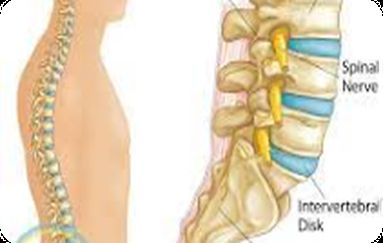
Spondylolisthesis occurs when one vertebra slips forward over another, causing back pain, stiffness, nerve compression, and symptoms such as leg pain, numbness, tingling, or weakness. It may develop due to degeneration, congenital defects, trauma, or repetitive spinal strain. The condition is more common in older adults, athletes, and women after menopause. Diagnosis involves clinical assessment and imaging such as X-rays or MRI. At SpineMantra, physiotherapy focuses on pain relief, posture correction, spinal strengthening, and customised rehabilitation to improve mobility and slow progression.
Why Choose Spinemantra For Spondylolisthesis?
SpineMantra offers specialised, non-surgical care focused on relieving pain and restoring spinal stability. Their experienced team provides personalised treatment plans designed around each patient’s unique needs and lifestyle. Using evidence based diagnosis and treatment method like the McKenzie method or MDT approach, we ensure correct diagnosis and treatment, faster recovery and lasting results. SpineMantra’s continuous physiotherapy monitoring, guided exercises, and posture training help patients safely regain mobility and improve their overall quality of life.
- Degenerative Changes: Age-related wear and tear can weaken spinal joints and discs, leading to vertebral slippage. This is the most common cause in adults over fifty.
- Congenital Defects: Some individuals are born with spinal abnormalities, making their vertebrae more prone to slipping over time. These cases often appear during adolescence or early adulthood.
- Repetitive Stress Injuries: Athletes in sports like gymnastics or weightlifting place repeated strain on the spine, increasing the risk. Over time, small stress fractures or spinal weakness may develop, increasing the risk of slippage.
- Traumatic Injuries: Accidents or falls can fracture or damage spinal structures, allowing a vertebra to shift forward unexpectedly. Immediate medical attention is crucial in such cases.
- Bone Diseases: Conditions like osteoporosis reduce bone strength, making vertebrae less stable and more likely to slip. This risk increases with age and poor bone health.
- Lower Back Pain: Persistent pain in the lower back is the most common symptom of spondylolisthesis. It often worsens with movement or prolonged standing.
- Leg Weakness or Numbness: Slipped vertebrae can compress spinal nerves, causing weakness, tingling, or numbness in the legs. This may affect walking ability.
- Reduced Flexibility: Stiffness in the lower back can limit bending, twisting, and overall movement. This restriction can interfere with daily activities and reduce quality of life.
- Physical Therapy: Physical therapy is often the first step in managing spondylolisthesis, focusing on strengthening the core and stabilising the spine. Tailored exercises help improve posture, reduce pain, and enhance mobility. Consistent therapy can prevent further vertebral slippage and restore functional movement.
- Pain Management: Pain management at SpineMantra is achieved primarily through physiotherapy techniques, posture correction, electrotherapy and exercise-based therapy. If needed, doctors may advise supportive medications, along with physiotherapy.
- Lifestyle Modifications: We guide patients on changes such as proper ergonomics, safe lifting techniques, and regular low-impact exercise. Maintaining a healthy weight and avoiding activities that strain the spine are crucial. These adjustments not only support recovery but also help prevent recurrence.
At SpineMantra, our goal is to create personalized treatment plans that combine these approaches for maximum effectiveness. We believe in empowering patients with knowledge and tools to manage their condition. By combining physical therapy, evidence based techniques like McKenzie, and supportive lifestyle guidance, we ensure lasting relief and improved spinal health.
- Physical Examination: The doctor assesses posture, range of motion, and any tenderness along the spine and performs some movement test. This helps detect stiffness, muscle spasms, or abnormal spinal curvature that may indicate spondylolisthesis.
- Medical History Review: A detailed discussion of symptoms, previous injuries, occupational strain, and family history is conducted. This background information helps differentiate spondylolisthesis from other spinal disorders with similar symptoms.
- Imaging Tests: X-rays are used to confirm vertebral slippage and assess its severity. MRI or CT scans provide clearer images of nerves, discs, and surrounding soft tissues for accurate diagnosis.
- Neurological Evaluation: Reflexes, leg strength, and sensations are checked to detect possible nerve involvement. Detecting nerve compression early is essential for preventing permanent damage and guiding treatment effectively.