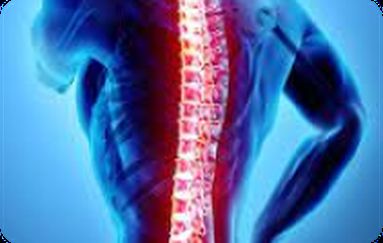
Spondyloarthropathies are chronic rheumatic inflammatory diseases. These predominantly impact the spine, the sacroiliac joints and the entheseal structures. It can also affect the eyes, the skin, and the gastrointestinal tract. Global prevalence varies depending on study methods, but reviews suggest SpA affects 0.2-2% of the population. Early diagnosis followed by regular physiotherapy and lifestyle modifications can improve long-term outcomes. At SpineMantra, we focus on safe, non-invasive therapy to help patients stay active and independent.
Types –
- Axial spondyloarthritis
- Psoriatic arthritis
- Reactive arthritis
- Enteropathic arthritis
- Undifferentiated spondyloarthritis
- Juvenile spondyloarthritis
Why Choose SpineMantra for Spondyloarthropathies?
At SpineMantra, we provide expert multidisciplinary care for spondyloarthropathies with personalised early diagnosis, individualised physiotherapy programmes, and rehabilitative options. Our supervised exercise therapies focus on maintaining spinal flexibility, improving posture, strengthening muscles, and enhancing aerobic capacity to minimise pain and improve function. We support clear communication, coordinated follow-up, and patient education, helping patients manage symptoms and improve quality of life. Convenient in-clinic and telerehabilitation sessions are available, tailored to each patient’s needs.
- Genetic predisposition – Certain genes, especially HLA-B27, greatly increase susceptibility to SpA; HLA-B27 is present in 60–90% of axial SpA patients and contributes substantially to genetic risk.
- Immune dysregulation – Aberrant activation of inflammatory pathways (the IL-23/IL-17 axis and TNF) drives chronic enthesitis-related and synovial inflammation, bone erosion, and pathological new bone formation.
- Triggering infections – Reactive arthritis often follows genitourinary or gastrointestinal infections (e.g., Chlamydia, Salmonella), which can initiate or unmask spondyloarthritic inflammation.
- Mechanical and environmental factors – Repetitive biomechanical stress at entheses and exposures such as smoking increase local inflammation and can worsen disease severity.
- Inflammatory back pain – Patients experience persistent low back pain and stiffness, worse in the morning but improving with exercise.
- Buttock or hip pain – Alternating or unilateral pain from sacroiliac inflammation that may radiate to the thigh.
- Peripheral joint swelling – Asymmetric oligoarthritis (knees, ankles) causing swelling, warmth and limited range of motion.
- Enthesitis – Tenderness at tendon and ligament insertions, such as the Achilles or plantar fascia, with focal pain and swelling.
- Morning stiffness – Prolonged stiffness lasting more than thirty to sixty minutes after rest, improving with activity.
- Extra-articular features – Eye inflammation (uveitis), psoriasis, or gastrointestinal symptoms may coexist and guide diagnosis.
- Fatigue and systemic symptoms – Persistent fatigue, low-grade fever, and reduced function from chronic inflammation.
- Supervised Exercise Therapy: We design personalized exercise plans including aerobic conditioning, flexibility, posture correction, and strength training to maintain spinal mobility and reduce stiffness, following the latest clinical guidelines.
- Manual Therapy: Targeted joint mobilisations and soft tissue techniques relieve pain and improve joint function by increasing mobility and reducing muscle tightness.
- Education and Lifestyle Guidance: Patients are educated on disease management, ergonomic adjustments, and the importance of regular physical activity to help control symptoms and prevent progression.
- Ongoing Supervision and Support: We offer continuous physiotherapy monitoring, adjustments to treatment plans, and support through telerehabilitation to ensure long-term adherence and improved outcomes.
This multi-dimensional treatment approach ensures not only relief from current muscle pain but also empowers patients with tools and knowledge for sustained wellbeing.
Why Dr. Saiantini Dey (PT)? Our lead physiotherapist brings focused expertise in spine care and orthopaedics. Our physiotherapy programmes include tailored mobility exercises, posture correction, strength training, and aerobic conditioning to help manage symptoms. We prioritise hands-on skills along with patient education, ensuring consistent improvement in outcomes.
- Clinical Evaluation: Diagnosis begins with a thorough history and physical exam focusing on inflammatory back pain characteristics (onset before age 45, improvement with exercise, nocturnal pain), peripheral symptoms, and extra-articular signs like uveitis or psoriasis. Family history of SpA is also important.
- Imaging Studies: X-rays of the sacroiliac joints help identify sacroiliitis, a hallmark of axial SpA. MRI is more sensitive in early disease, detecting active inflammation (bone marrow oedema) before structural changes appear. Imaging guides diagnosis and monitors progression.
- Laboratory tests: HLA-B27 genetic testing supports diagnosis but is not definitive alone. Elevated inflammatory markers (CRP, ESR) suggest active disease but may be normal in some cases. Testing for genitourinary or gastrointestinal infections is crucial in suspected reactive arthritis.
- Classification Criteria: The Assessment of SpondyloArthritis International Society (ASAS) criteria combine clinical features, imaging, and lab results to standardise the diagnosis of axial and peripheral SpA, improving early detection and appropriate treatment initiation.