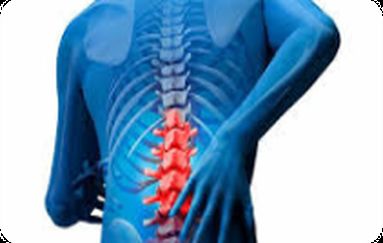
The spine is made of vertebrae separated by discs that act as cushions. A slipped or herniated disc occurs when the soft inner portion pushes through the tough outer layer, irritating nearby nerves. This may cause pain, tingling, numbness, or weakness, and severe cases may sometimes require surgery.
Why refer to Spine Mantra with this condition?
Spine Mantra is one such place that delivers specialised medical care to slipped disc conditions with the help of expert physiotherapists, cutting-edge treatment procedures, and personalised recovery programs. They guarantee excellent pain relief and better mobility in patients with a special focus on non-surgical solutions, patient comfort, and long-term spine health.
- Degenerative Disc Disease- With age, the spinal discs become stiff and dry, reducing their strength and causing rupture with ease. This is one of the main root causes of a considerable share of slipped disc cases.
- Disc Annulus Tear-A torn outer fibrous ring of a disc (annulus fibrosus) is a direct tear that can permit the soft nucleus pulposus to bulge out and cause herniation.
- Spinal Overloading– Constant strain on a specific site of the spine, like in heavy lifting or in protracted axial loading, may cause the disc content to bulge.
- Endplate Damage-The damage to vertebral endplates may compromise the structural integrity of the disc, making it more likely that the disc material will become displaced.
- Sudden Intra-abdominal Pressure Increase: A sudden increase in intra-abdominal pressure, allowing forceful coughing, sneezing or straining (Valsalva manoeuvre) to cause a sudden prolapse.
- Traumatic Hyperflexion or Hyperextension –Traumatic hyperflexion or hyperextension happens when the spine is thrown forward or backwards very rapidly, tearing the disc material structure, and is more prone to occur after high-impact injury.
- Pre-existing Spinal Misalignment-Disorders like scoliosis or spondylolisthesis are able to cause abnormal loading patterns, which make disc degeneration proceed faster.
- Microtrauma Accumulation: This is nothing more than repeated minor damage to the spine over weeks or months and is what makes the disc weaker and eventually herniate.
- Localised Back or Neck Pain: Feeling of persistent and sharp or achy pain at the point of the affected disc, and usually increases when the person moves, bends or sits in one position.
- Radiating Pain: it is the pain which traverses the nerve route, i.e. pain will trace its path after lower back/to leg (sciatica)/to neck/to arm, depending upon the location on the spine which is involved.
- Numbness or Tingling: A numb or pins-and-needles feeling in the parts supplied by the nerve that is pinched, or loss of appreciation of temperature and texture. This can include arms, hands, legs or feet.
- Muscle weakness: Reduced muscle performance in certain areas of the body so that they find it hard to pick up objects, hold items or even stand in proper walking balance.
- Loss of Reflexes – Lower or Non-returned Reflexes and the knee, ankle or upper limb, which results from a nerve compression.
- Movement Limitation-Stiffness or much less motion within the backbone, causing them to be unable to bend or flip around easily or painlessly.
- Pain Aggravated by way of Coughing or Sneezing: Abrupt escalation of pain whilst intra-abdominal strain rises suddenly, as in coughing, sneezing, or trying to defecate.
We apply an affected person-centred and systematic approach together with the physiotherapy techniques (most up-to-date remedy. We use lifestyle modifications to assist in gaining long-term healing and avoiding the risk of recurrence. Our most important healing procedures comprise:
- McKenzie approach: The McKenzie Method (Mechanical Diagnosis and Therapy – MDT) is one of the most effective, evidence-based treatments for slipped disc (disc prolapse / herniation).
- It focuses on finding a directional preference that reduces pain, centralizes symptoms, and restores spinal function.
- 1. Assessment – The Heart of McKenzie
- The therapist identifies:
- Directional preference (usually extension for lumbar disc issues)
- Symptom behaviour (peripheralization vs centralization)
- Movement loss
- Postural factors
- Loading strategies that increase or decrease pain
- The goal is to find what repeated movement improves symptoms and restores disc mechanics.
- Centralization Phenomenon – A hallmark of the McKenzie system.
Pain moves from leg → back → center of spine indicates the disc is reducing pressure on the nerve root Considered a positive and reliable sign of recovery.
McKenzie prioritizes movements that centralize symptoms and avoids those that peripheralize them.
- 3. Patient Empowerment & Self-Treatment-A key McKenzie principle:
- Patients learn exercises they can repeat independently.
- Encourages faster healing and long-term control.
- Reduces dependency on hands-on therapy.
- Posture Correction & Load Management
McKenzie emphasizes:
- Correct sitting posture
- Avoiding slouched lumbar flexion
- Using lumbar roll
- Avoiding prolonged bending and twisting
- These reduce disc load and prevent re-aggravation.
- Return to Function
Once pain reduces:
- Mobility is restored
- Core and spinal stabilizer strengthening is added
- Functional training begins
- Bending, lifting, and sitting tolerance gradually normalise.
Why McKenzie Works for Slipped Disc
- Reduces disc pressure
- Centralizes nerve pain
- Restores mobility
- Prevents recurrence
- Promotes self-management
- Evidence-based and globally practiced
- Manual Therapy: The hands-on treatment to loosen up tight joints, correct posture, relieve tension on nerves, and ultimately give instant relief of pain and stiffness.
- Spinal Decompression Therapy: Controlled, slow movement of stretching the spine to open vertebral gaps, alleviating pressure on affected nerve roots, and the affected disc.
- Targeted Strengthening: Exercises are special exercises to enhance core, back, and pelvis stability, which support the spine and reduce any chances of future problems.
- Posture Correction & Ergonomic Training – explains and demonstrates how to use correct posture when working or travelling, as well as every day, to minimise the stress put on the unnecessary discs.
- Electrotherapy : Advanced modalities to reduce inflammation, promote healing and pain associated with nerves without medication.
- Heat & Cold Therapy: It utilises cool and hot temperatures to relax muscles, improve blood flow to the region of trauma and reduce swelling.
- Flexibility: Light stretching programs to regain range of motion and healthy flexibility of the spine.
- Lifestyle: Specific individual recommendations concerning the safe movements, weight control and the strengthening exercises to prolong the good status of the spine.
Here, at Spine Mantra, we combine all these treatments into a unique program, where every patient gets the right mix of therapy types according to their medical condition. We aim to get them functioning again and have a better life with less pain so that they can go on with their day-to-day activities without pain and risk of recurrence.
- Sensory mapping of the dermatome
We also examine areas of changed feeling along certain nerve root tracks (dermatomes) to help identify the disc and affected nerve. By way of an example, a slipped L4-L5 disc will normally result in numbness or a tingling sensation along the outer leg and the foot.
- Strength testing of Myotome
Strength is checked in particular muscle groups that are subserved by the involved nerves. In case of the compression of the L5 nerve, we can experience troubles with ankle dorsiflexion or a lack of the ability to lift the big toe.
- Reflex Assessment
Reflexes of tendons (such as knee jerk or ankle jerk) are examined. Weakness or loss of ankle reflex may be seen as a result of ankle nerve root compression in the S1 nerve by displacement of a disc.
- Straight Leg Raise (SLR) & Slump tests
These tests are made to stretch the sciatic nerve and replicate symptoms, another way of confirming a lumbar disc herniation. The test is positive when lifting the leg reproduces radiating pain down the leg, typically between 30°–70° of hip flexion.
A positive SLR indicates:
- Sciatic nerve irritation
- Lumbar disc herniation (L4–L5 or L5–S1)
- Radiculopathy
- Nerve root compression
- Sometimes hamstring neural tension
Differentiation
- Pain in back → spreading to leg = nerve root involvement
- Tightness only in hamstrings = normal flexibility limitation
- Pain below 30° = severe nerve compression or acute disc herniation
- Pain above 70° = usually hamstring tightness, not nerve root
According to epidemiological studies, a clinically significant slipped disc affects 1% 3 of the population, and the prevalence was found to be high among adults between the ages of 30 and 50. This further supports the essence of accurate, timely diagnosis.
- McKenzie Assessment
As the first clinic in Eastern India to be McKenzie certified, we consider directional preference, or certain movements that increase the pain or centralise the pain. This is vital in case of a slipped disc because centralisation is a vital indicator of healing.
- Specialist Review
Dr. Saiantini Dey,our lead uses the combined clinical and image data along with the McKenzie-based assessment to develop a specific and evidence-based treatment plan.