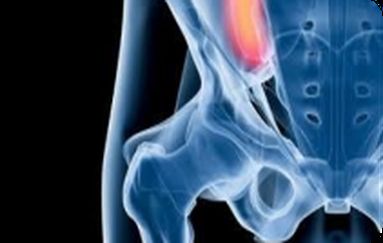
Sacroiliac Joint Dysfunction (SIJD) occurs when the sacroiliac joints connecting the pelvis and lower spine become irritated or inflamed. It commonly causes lower back, hip, buttock, or leg pain that worsens during sitting, lifting, walking, or standing. Causes include injury, arthritis, pregnancy-related changes, and movement imbalance. Because symptoms can mimic sciatica or other back conditions, accurate diagnosis is essential. Physiotherapy, targeted exercises, and lifestyle modifications help reduce pain, improve mobility, and restore function.
Who Gets a Sacroiliac Joint Dysfunction?
Sacroiliac Joint Dysfunction commonly affects adults aged 30–50 and is more prevalent in women, especially during pregnancy due to ligament laxity and reduced joint stability. SIJD is also a significant cause of chronic low back pain, accounting for nearly 15–30% of persistent back pain cases.
Why choose SpineMantra for Sacroiliac Joint Dysfunction?
At SpineMantra, specialised physiotherapists provide personalised care for Sacroiliac Joint Dysfunction using detailed assessment, targeted rehabilitation, and lifestyle guidance. Our evidence-based approach focuses on reducing pain, improving joint stability and mobility, and helping patients return to comfortable, confident movement with long-term functional recovery.
- Asymmetry of the Pelvis and Leg Lengths:
When one of the legs is shorter compared to the other, even to a small degree, it causes bilateral uneven stresses upon the pelvis and sacroiliac joints. This asymmetry causes the heavy loads on only one side of the SI joint and abnormal motions on this side, which causes irritation, inflammation, and dysfunction ultimately. This condition tends to grow gradually and may not be obvious before it leads to constant pain in the back and pelvis.
- Pelvic Instability Postpartum:
In addition to the effects of hormones, ligaments that stabilise the sacroiliac joints may be micro-torn or overstretched during childbirth and, particularly, after birth, during a vaginal delivery. These two traumas (of delivery and biomechanical alterations in the postpartum period) can be manifested in terms of long-term sacroiliac joint discomfort and dysfunction.
- During Lumbar Fusion Surgery, The Compensatory Joint Stress:
Once the lower back has undergone a spinal fusion, the removed segments end up losing their usual motion, thus causing increased mobility at the sacroiliac joints. Such reparation leads to unusual mechanical overloading and enhanced wear of the SI joints, and dysfunction is a typical result after such surgery.
- Repeated Asymmetric Load in Sportspeople and Workers:
An athlete practising a sport that involves repetitive twisting or asymmetrical impact (ex, golf, tennis) or heavy manual labour involving the production of a lot of repetitive individual rotational loads on one side of the body also induces unbalanced forces across the sacroiliac joints. This asymmetrical repetitive strain results in a microtraumatic effect on ligaments and cartilage, resulting in inflammation and dysfunction.
- Disease of an Inflammatory Nature Such as Ankylosing Spondylitis:
In the case of autoimmune diseases like ankylosing spondylitis, inflammation targets only those parts of the body, like the sacroiliac joints, which lead to the development of pain and stiffening of the joint due to repetitive inflammation. This inflammatory process, unlike the mechanical ones, results in fusion of joints at a later stage, triggering the loss of mobility in a severe way.
- Feeling of unilateral lower back and buttock pain
Compared to certain other causes of back pain involving the midline, SIJD is quite likely to lead to severe or tender aching pain at one side of the lower back or buttock area, directly above the sacroiliac joint. The pain is, in most cases, deep and can be experienced as one which is not inside the muscles or skin but in the pelvis.
- Weight Transfer Pain That You Get Worse What You Get
The pain could be aggravated or caused by certain activities that involve the transfer of weight between the legs, movements that include using the stairs, standing up after sitting and walking upwards. This is because the sacroiliac joint plays a significant role in stabilising the pelvis when making these movements, and when it dysfunctions, it would induce abnormal stress in transferring weight.
- Pain When Sitting or Standing Long
As opposed to disc-related back pain, the symptoms of SIJD are often aggravated during long sitting with weight predominantly distributed on one side of the body, and also when sitting on a hard surface. Similarly, staying at the same position too long might also exacerbate the joint since it increases the pressure on the joint, and the joint mobility is low.
- Radiation of Pain to the Groin or Upper thigh
SIJD pain may remain low in the back or buttocks, but may spread to the groin or front of the thigh, presenting an illusion of hip joint issues. This radiates as a result of the proximity of the nerves and referral pattern of the sacroiliac joint pains.
- Sharp, Stabbing Sensations During Specific Movement
Some of the movements that can lead to the sharp stabbing pains in the sacroiliac area include twisting the torso, bending forward or opening the hip. The reason they can sprout quickly is that the dysfunctional surfaces of joints grind or move out of alignment, which is quite painful as they also irritate adjacent nerves and tissue.
- Pelvic Stability or sense of giving way
Other patients experience a feeling that the pelvis is unsteady,ady or one side may give way during walking on uneven surfaces or turning abruptly. The symptom is a sign of loose ligaments and loss of joint support, as is typical of SIJD.
- Tenderness on palpation about the sacroiliac Joint
When there is direct pressure on the sacroiliac joint, which is directly below the dimples on the lower back, it is usually able to either recreate or increase pain experienced by the patient. This tenderness is one of the major clinical indications that aid in the distinction of SIJD as the cause of low back pain.
We know that the treatment of Sacroiliac Joint Dysfunction (SIJD) cannot be approached with generic care, as is the practice at SpineMantra, where the treatment is specific to an individual. We are a multidisciplinary team whose goal is to find out what is causing your SIJD and to prescribe interventions that provide stability, relieve pain, and enhance performance.
Our Treatment Plan to SIJD:
- SI Joint Mobilisation :
We provide skilled, hands-on manual therapy to gently mobilise the sacroiliac joint to isolate and correct hidden misalignments with correction of normal joint mechanics and eliminates abnormal stress on the joint as well as relieves the pain without the use of generalised manipulation.
- Tailor-made Neuromuscular Re-education:
Our physical therapists put you through certain exercises that are aimed at retraining the muscles that support the pelvis and lower back muscles. This enhances coordination and the strengthening of the stabilising muscles to decrease excess sacroiliac joint movement and recurrence.
- Core stabiliser Training:
We emphasise functional exercise, doing deep core work like the transverse abdominis and multifidus. Pelvic stability increases with the strengthening of these muscles and offers direct support to the sacroiliac joint, and lessens load in everyday activities.
- Corrective intervention Gait and Posture assessment:
Here at SpineMantra, we look at your gait and your posture to find out biomechanical imbalances such as leg length discrepancy or pelvic tilt. With the help of special corrective methods (therapeutic taping, special orthotic prescription, etc), we can aid in restoring the symmetry, minimising excess stress on the SI joint.
- Ergonomic Counselling: Change of activity:
We collaborate with you in order to change certain activities or movements that worsen your symptoms. Ergonomic guidance on how you can best design your work areas or just adapt the use of objects of everyday actions in a way that reduces the possibility of strain and overwork on the sacroiliac joint.
The prevalence of Sacroiliac Joint Dysfunction has recently been shown to be 15-30 per cent of chronic low back pain, indicating the widespread nature of this disorder, but, in many cases, it remains elusive to diagnose. Diagnostic error is very important, as symptoms of SIJD may be very similar to the symptoms of other causes of lower back or leg pain.
At SpineMantra, we perform an advanced and evidence-based diagnostic process. This starts with an adequate history and physical examination with attention to certain pain patterns relating to sacroiliac joint, lateral lower back pain, and buttock discomfort or pain, pain during weight transfer, and tenderness along the sacroiliac joints.
- Niche Provocative Tests:
Our clinicians will conduct specific physical experiments like FABER (Flexion, Abduction, External Rotation), Gaenslen test, and Compression test, which will reproduce the pain experienced by the patient, along with isolating the sacroiliac joint as the cause.
- Imaging and Omission:
Although other causes of back pain in the spine can be reported using standard X-rays, MRI, or CT scans, an imaging result can hardly confirm SIJD. Our main reason for using imaging is to rule out fractures, arthritis, or other structural defects.
McKenzie Technique at SpineMantra: Eastern India’s First Clinic having Certified MDT Clinician:
SpineMantra has one of the exclusive strengths in that we are the first clinic to receive McKenzie certification in Eastern India. The McKenzie Method is one of the most recognised, evidence-based treatments and diagnoses of spine and pelvic conditions, such as SIJD. It focuses more on direct involvement of the patient with other activities, such as deliberate, repetitive movement and posture corrections to focus and localise pain origins.
The McKenzie approach is most appropriate since it aids in identifying the existence of pain that can be mitigated or eliminated by making movements, which facilitates tailored treatment that enables patients to recover and live with the symptoms under control. Dr. Saiantini Dey, our lead physiotherapist, is a certified McKenzie practitioner and has many years of experience in managing SIJD and thus gives every patient the best possible diagnosis and management strategy.
- Gait and Posture analysis:
We assess your walking and posture so as to diagnose biomechanical contributors to your leg length difference or pelvic tilt that are frequent causes of SIJD.
- Movement Assessment:
We note how you move your pelvis and hips in the course of your daily activities to identify an unnatural movement pattern that would irritate the sacroiliac joint.
This is because with such a thorough, scientific and data-driven diagnostic procedure and with the level of expert skills in the McKenzie system that is possessed, we can assure you of projecting the precise diagnosis of SIJD and have it custom-fit in terms of how it can be accurately treated.