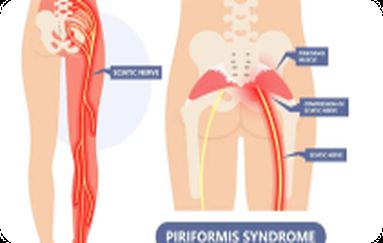
Piriformis syndrome occurs when the piriformis muscle irritates the sciatic nerve, causing buttock pain, leg pain, tingling, and discomfort during sitting or walking. At SpineMantra, detailed movement and posture assessment help identify the condition accurately, with physiotherapy-focused treatment aimed at relieving symptoms and restoring normal movement safely.
Who Gets Piriformis Syndrome?
Piriformis syndrome commonly affects adults aged 25–45, especially women. Risk factors include prolonged sitting, hip overuse, pregnancy, obesity, driving, and previous injuries. Persistent buttock or sciatica-like leg pain may indicate this condition. At SpineMantra, diagnosis is confirmed through detailed functional assessment and specialised movement testing.
Why Choose SpineMantra for Piriformis Syndrome?
At SpineMantra, piriformis syndrome treatment combines precise diagnosis, McKenzie-based rehabilitation, nerve mobilisation, and myofascial release. Personalised physiotherapy, self-management exercises, and progress tracking help reduce pain, improve mobility, minimise recurrence, and support a faster return to daily activities with reduced dependence on medication.
- Direct trauma or contusion: The piriformis may become inflamed or scarred after a fall, injection, or blunt trauma, compressing the sciatic nerve and causing constant pain in the buttock and leg. Pain increases with prolonged sitting or standing. The patient may also feel weakness or tingling in the legs.
- Overuse and repetitive strain: Repeated placing of loads on the gluteal region, running, cycling, sitting for long periods, or sudden increases in training, intensifies muscle spasm, tightness, or micro-trauma that irritates the nerve.
- Anatomical variation: Variant relationships between the sciatic nerve and piriformis (nerve piercing or splitting around the muscle) increase entrapment risk due to decreased space or altered biomechanical stress.
- Secondary compensation from nearby pathology: Postural imbalances, lumbar stiffness, sacroiliac joint dysfunction, or altered walking mechanics can overload the piriformis muscle, triggering spasms and nerve irritation.
- Deep buttock pain and focal tenderness – A persistent deep pain in the buttock is characteristic and usually aggravated by prolonged sitting. Palpation often shows tenderness in the deep buttock area, helping physiotherapists identify piriformis-related discomfort distinct from spinal problems.
- Radiating sciatica-like pain – Compression of the sciatic nerve causes sharp, burning or electric pain that shoots from the buttock down the back of the thigh, sometimes into the calf or foot. It’s often accompanied by numbness or tingling and is commonly made worse by hip movement.
- Mechanical provocation and activity intolerance – The patient complains of difficulty sitting, ascending stairs, or rotating the hip; reproducible manoeuvres that stretch or contract the piriformis often recreate the symptom. Prompt diagnosis with specific therapy usually enhances pain, mobility, and functional status long-term.
At SpineMantra, patient care is personalised and designed to address the root cause of Piriformis Syndrome. Our focus is on safe, non-invasive physiotherapy treatments that restore mobility, relieve sciatic nerve pain, and prevent recurrence.
Manual Therapy: Our physiotherapists use gentle hands-on techniques, including myofascial release and joint mobilisation, to relax tight muscles, reduce nerve pressure, and improve hip mobility. This approach helps ease deep buttock pain and promotes natural recovery.
Targeted Stretching & Exercise Therapy: Correct stretches and strengthening routines play a key role in treatment. Our customised exercise plans focus on improving flexibility of the piriformis muscle while strengthening the surrounding gluteal and core muscles. This stabilises the pelvis, reduces sciatic irritation, and allows patients to return to activity with confidence.
Posture & Movement Correction: Many cases of Piriformis Syndrome are linked to prolonged sitting, poor ergonomics, or faulty walking patterns. At SpineMantra, we guide patients in achieving healthy posture, safe movement habits, and better work ergonomics to prevent persistent nerve compression.
McKenzie-Based Techniques: For patients with overlapping back or sciatica issues, we use selected McKenzie exercises that teach self-management, reduce strain on the lower back, and provide longer-term relief without reliance on medication.
Our goal at SpineMantra is not just pain relief but restoring functional movement. By combining expert assessment with evidence-based physiotherapy methods, we help patients experience lasting comfort, improved activity levels, and reduced risk of recurrence.
Dr. Saiantini Dey, a leading physiotherapy and spine rehabilitation specialist, brings extensive expertise in musculoskeletal care. Known for her patient-centered approach, she combines advanced physiotherapy techniques with personalised treatment planning, ensuring effective recovery from Piriformis Syndrome and long-term spinal health for every patient.
In order to meet the individual needs of every patient, SpineMantra uses a comprehensive and customised diagnosis procedure. The following are the main facets of our diagnostic methodology:
- Clinical Evaluation: We start with a thorough physical examination, evaluating the patient’s posture, range of motion, and degree of pain. This helps assess mobility and identify the root causes of discomfort.
- Medical History Review: In order to identify contributing reasons to spinal disorders, we thoroughly review the patient’s medical history, taking into account past injuries, surgeries, lifestyle choices, and family history.
- Imaging Studies: SpineMantra physiotherapists rely on functional testing, movement analysis, and muscle imbalance assessment. While imaging can support, diagnosis is primarily clinical and therapy-driven.
- Functional Testing: To diagnose diseases like sciatica, stenosis, or disc bulges, we employ particular tests to evaluate nerve function, muscular strength, and flexibility.
This all-encompassing method enables us to identify the precise source of discomfort and create a customised treatment strategy.