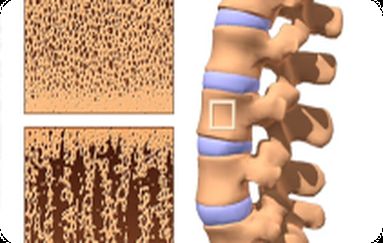
Osteoporosis causes bones to become weak and fragile, increasing fracture risk, especially in the spine, hip, and wrist. It commonly affects older adults and postmenopausal women. At SpineMantra, treatment focuses on improving bone health, safe movement, posture, and long-term functional independence through evidence-based rehabilitation and prevention strategies.
Who Is at Risk?
- Osteoporosis can affect anyone, but certain groups are more vulnerable:
- Postmenopausal women due to reduced estrogen
- Older adults with age-related bone loss
- Individuals with low testosterone levels
- People with a family history of osteoporosis
- Individuals with thin or small body frames
- Those with poor nutrition (low calcium or vitamin D intake)
- Sedentary individuals
- Long-term steroid users
- Smokers and heavy alcohol consumers
- Patients with thyroid disorders, celiac disease, or chronic kidney disease
Understanding risk factors allows early intervention before fractures occur.
Why Choose Spinemantra For Osteoporosis?
At SpineMantra, osteoporosis care focuses on fracture prevention, posture, balance, muscle strength, and safe movement. Individualised physiotherapy programmes improve spinal alignment, mobility, and stability through guided exercise and lifestyle education, helping patients maintain independence, reduce fall risk, and protect long-term bone and spinal health.
Causes of Osteoporosis
- Hormonal Changes – Reduced estrogen in women after menopause and low testosterone in men weaken bones significantly over time.
- Nutritional Deficiencies – Long-term lack of calcium and vitamin D reduces bone density and strength.
- Sedentary Lifestyle – Minimal physical activity decreases bone stimulation, leading to gradual bone mass reduction.
- Medical Conditions – Disorders like hyperthyroidism, celiac disease, and chronic kidney disease impair healthy bone development.
- Medications and Substance Use – Prolonged steroid use, smoking, and heavy alcohol intake accelerate bone loss and weaken bone structure significantly.
Osteoporosis is often referred to as a “silent disease” because bone loss occurs gradually and usually without pain. Many people remain unaware of the condition until a fracture happens.
However, certain warning signs may appear over time:
- Gradual loss of height
- Development of a stooped or rounded upper back (kyphotic posture)
- Persistent or recurring back pain without a clear injury
- Fractures occurring after minor falls, slips, or minimal trauma
- Sudden onset of back pain due to vertebral compression fractures
- Reduced mobility or difficulty performing daily activities following a fracture
In many individuals, the first noticeable indication of osteoporosis is a fracture involving the spine, hip, or wrist. Spinal fractures may sometimes occur silently but can gradually lead to postural changes and chronic discomfort.
Early recognition and assessment are important, particularly in individuals with risk factors, as timely intervention can significantly reduce the likelihood of future fractures.
Physiotherapy Management at SpineMantra
Osteoporosis management requires a structured and safe approach. While medical treatment may be prescribed by a physician when necessary, physiotherapy plays a vital role in maintaining bone strength, posture, and balance.
At SpineMantra, treatment focuses on prevention, stability, and long-term independence.
- Weight-Bearing and Strengthening Exercises
Controlled weight-bearing exercises stimulate bone remodeling and help maintain bone density. Strength training improves muscle support around joints, reducing fracture risk.
Programs are tailored based on:
- Age
- Bone density level
- Fall risk
- Overall fitness
- Postural Correction and Spinal Protection
Vertebral compression fractures can lead to forward stooping and spinal stress. We focus on:
- Spinal alignment
- Extension-based strengthening
- Safe lifting mechanics
- Daily activity modification
- Balance and Fall Prevention Training
Improving balance is critical in preventing fractures. Exercises target:
- Coordination
- Proprioception
- Lower limb strength
- Safe walking patterns
Fall prevention is often more important than bone density alone.
- McKenzie-Based Movement Guidance (When Indicated)
The McKenzie Method is used when patients experience spinal pain or postural strain related to vertebral compression or degenerative changes. It is not a treatment for osteoporosis itself but may help manage associated back pain by improving posture and movement patterns.
MDT is applied only if the patient demonstrates mechanical responsiveness during assessment.
- Lifestyle and Nutritional Guidance
- Patients receive guidance on:
- Calcium and vitamin D intake
- Safe physical activity progression
- Smoking cessation
- Alcohol moderation
Long-term bone health depends on consistent habits, not temporary measures.
- Bone Density Test (DEXA Scan)
A DEXA scan is the most reliable method to measure bone mineral density. It provides a T-score that helps determine whether bone density is normal, reduced (osteopenia), or within the osteoporotic range.
- Clinical Evaluation
- At SpineMantra, clinical assessment includes:
- Postural analysis
- Evaluation of spinal alignment
- Height comparison over time
- Functional movement assessment
- Fall-risk screening
- Laboratory Assessment
When indicated, blood tests may evaluate calcium, vitamin D, thyroid function, or other metabolic factors influencing bone health.
Diagnosis is not limited to imaging alone — understanding movement patterns and fall risk is equally important in preventing fractures.