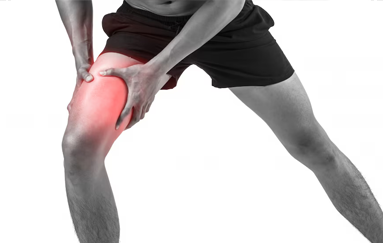
Knee pain can affect all ages but is more common in older adults, athletes, and people with physically demanding jobs. Age-related cartilage degeneration, repetitive stress, sports injuries, obesity, and previous knee injuries increase the risk of chronic pain and reduced mobility. Occupations involving kneeling, squatting, lifting, or climbing place extra strain on the knee joint. Family history of arthritis or bone disorders may also contribute. Early diagnosis and physiotherapy are important to relieve pain, restore function, and prevent long-term joint damage or disability.
Why Choose Spinemantra For Knee Pain?
At SpineMantra, knee pain is treated through personalised, physiotherapy-led rehabilitation focused on pain relief, movement correction, joint strengthening, and mobility restoration. Our non-surgical approach combines detailed assessment, targeted therapy, and continuous progress monitoring to support long-term knee health and functional recovery.
Knee pain can arise from a variety of conditions affecting the joint, surrounding muscles, ligaments, cartilage, or biomechanics. One of the most common causes is degenerative change, particularly osteoarthritis, where gradual cartilage wear leads to pain, stiffness, and reduced joint mobility.
Overuse and repetitive strain are frequent contributors, especially in individuals involved in sports, prolonged standing, or physically demanding occupations. Repeated loading without adequate recovery can irritate muscles, tendons, and joint structures, resulting in pain and inflammation.
Acute injuries, such as ligament sprains, meniscal tears, or direct trauma from falls or accidents, can also cause knee pain and functional limitation. In athletes, sudden twisting or impact injuries are common mechanisms.
Muscle weakness, imbalance, or poor movement patterns around the hip, knee, and ankle may alter joint mechanics, increasing stress on the knee and leading to pain over time.
Other contributing factors include poor posture, excess body weight, inflammatory conditions, previous knee injuries, and prolonged improper loading during daily activities. Identifying the specific cause through detailed clinical assessment is essential for effective treatment and long-term recovery.
- Persistent Pain: Ongoing pain in or around the knee joint, which may worsen with physical activity, weight-bearing, or after prolonged sitting.
- Swelling and Stiffness: Inflammation may cause visible swelling and a sensation of tightness, often leading to morning stiffness or difficulty after periods of rest.
- Reduced Range of Motion: Difficulty bending or straightening the knee due to pain, stiffness, arthritis, or soft tissue injury.
- Pain During Activities: Discomfort while walking, climbing stairs, squatting, kneeling, or standing for extended periods.
- Instability or Weakness: A feeling of the knee giving way, reduced strength, or lack of confidence during movement.
- Clicking or Locking Sensation: Mechanical symptoms such as clicking, catching, or locking, particularly with cartilage or meniscal involvement.
Early recognition of these symptoms and timely physiotherapy intervention can help prevent progression and long-term functional limitations
At SpineMantra, knee pain is managed through a structured, physiotherapy-led, non-surgical approach aimed at relieving pain, restoring mobility, and improving joint stability. Treatment focuses not only on symptom relief but also on identifying and addressing the underlying mechanical or functional cause to reduce the risk of recurrence.
Physiotherapy and Therapeutic Exercise
Physiotherapy forms the cornerstone of knee pain management. Individualised exercise programmes are designed to correct muscle imbalances, improve flexibility, and reduce stress on the knee joint. Targeted strengthening of the quadriceps, hamstrings, and hip muscles enhances joint stability and supports safe, pain-free movement during daily activities.
Manual Therapy and McKenzie-Based Approach
Specialised hands-on techniques, including joint mobilisation and movement-based correction strategies, are used to improve joint mechanics and movement efficiency. The McKenzie Method of Mechanical Diagnosis and Therapy (MDT) is applied where appropriate to identify faulty movement patterns, optimise alignment, and promote long-term self-management, helping to reduce joint stress and prevent recurrence.
Electrotherapy and Supportive Modalities
Adjunctive modalities such as ultrasound therapy, TENS, and laser therapy may be used to manage pain, reduce inflammation, and support tissue healing. These modalities complement active rehabilitation and facilitate progression through the exercise programme.
Lifestyle and Postural Guidance
Patients receive guidance on activity modification, ergonomics, weight management, and low-impact exercises such as cycling or swimming. Advice on posture, footwear, and load management is provided to support recovery and maintain long-term knee health.
At SpineMantra, the goal is sustainable recovery—helping patients regain strength, mobility, and confidence without unnecessary surgical intervention.
Accurate diagnosis is the foundation of effective knee pain management. At SpineMantra, diagnosis begins with a comprehensive clinical assessment, supported by investigations only when clinically indicated.
Clinical Examination
A detailed physical examination is performed to assess swelling, tenderness, joint alignment, range of motion, muscle strength, and knee stability. Functional tests and gait analysis are used to evaluate how the knee behaves during walking and daily activities, helping to identify mechanical dysfunction, ligament or meniscal involvement, and movement-related causes of pain.
Medical History
A thorough medical and activity history is taken, including previous injuries, sports participation, occupational demands, lifestyle factors, and family history of joint conditions. The onset, duration, location, and behaviour of symptoms are analysed to determine whether the condition is acute, chronic, degenerative, or injury-related.
Imaging Studies
Imaging investigations such as X-rays, MRI, or ultrasound are recommended only when required to confirm clinical findings or rule out structural pathology. X-rays help identify degenerative or bony changes, while MRI and ultrasound provide detailed assessment of soft tissues, including ligaments, cartilage, tendons, and joint effusion.
Laboratory Investigations
Blood tests or joint fluid analysis may be advised when inflammatory, infectious, or systemic conditions—such as rheumatoid arthritis, gout, or infection—are suspected. These tests assist in ruling out non-mechanical causes of knee pain.
By combining detailed clinical evaluation with appropriate investigations, SpineMantra ensures precise diagnosis and targeted, effective treatment planning.