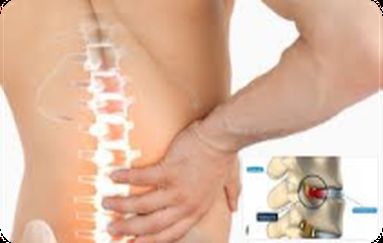
A bulging disk occurs when the jelly-like nucleus of the spine bulges out into the outer casing, irritating nerves close to it. This condition often causes back, neck, or leg pain and tingling, requiring timely physiotherapy-based evaluation for correct treatment and recovery. It exerts unnatural pressure on the nerves. If ignored for a long time, it can cause a condition like paralysis.
Most disc bulges improve within four to six weeks using physiotherapy and customised rehab at SpineMantra. Nearly 3 million individuals are diagnosed with herniated disks every year, reflecting the widespread reach. Our team develops treatment protocols focused on movement therapy, spinal decompression, and posture correction for lasting pain relief.
Why We Choose SpineMantra for Disc Bulge?
At Spinemantra, our expert multidisciplinary team delivers precise, personalised disc bulge treatments effectively. Expert physios at SpineMantra use evidence-based rehabilitation, advanced physiotherapy tools, and corrective exercise programs for safe recovery. Comprehensive rehabilitation ensures lasting spine health and reduced recurrence of pain. We prioritise compassionate care and patient education, ensuring confidence throughout every stage of treatment.
- A sedentary lifestyle in combination with smoking greatly reduces nutrient transport to the spinal discs, raising the risk of bulging.
- Repetitive heavy lifting causes chronic strain, resulting in disc degeneration and compromised integrity.
- Poor posture while sitting, standing, sleeping, or exercising places uneven pressure on discs, gradually leading to bulging.
- Overweight increases spinal loading, hastens disc degeneration, and raises the risk of bulging during typical activities.
- High-impact sports such as gymnastics or wrestling put stress on the spine, increasing the risk of disc bulge development.
- Running without orthopaedic support shoes applies too much force to the spinal discs, causing eventual bulging.
- Side-specific symptoms: Disc bulges commonly compress nerves on one side, leading to localised pain, tingling, or weakness on that side of the body.
- Lower-back discomfort: If the disc is in the lumbar region, you may feel burning pain in the lower back, buttocks, thighs, or calves, occasionally extending to the foot.
- Neck discomfort: A cervical disc bulge may cause shoulder and arm pain, often worsening with coughing, sneezing, or twisting movements.
- Radiating pain: Movement or pressure can send shooting aches down your arm or leg, making even basic actions difficult.
- Numbness and tingling: You may feel pins and needles or a loss of sensation along the path of an irritated nerve.
Management of bulging discs begins with conservative methods designed to reduce discomfort and improve function through patient-focused techniques. Our physios guide patients with relative rest, posture correction, targeted exercise and reduction movements routines for recovery. Heat or cold therapy relaxes the muscles and calms irritated nerves. Patients are also counselled on whether they should alter their daily activity that further strains the spine.
This first phase is typically four to six weeks; during this time, we keep a close eye on your symptoms and modify your pain-control methods in whatever manner best suits you. These are further supported by physical therapists who provide a series of exercises, specifically using the McKenzie Technique. The focus is on repeated or sustained reductive movements of the spine to facilitate drawing in of the herniated content towards the centre, removing pressure on the nerves and creating opportunities for healing to occur naturally.
Our supervision includes monitoring guided exercises and teaching postures that effectively centralise symptoms for long-term relief. We train you on integrating these exercises into your daily routine so that you are able to treat the flare-ups yourself and maintain good spinal health in the long run. Should symptoms last over eight weeks or after neurological deficits appear, we enter the realm of advanced interventions. In persistent cases, patients are referred for advanced medical evaluation, while SpineMantra continues supervised physiotherapy and rehabilitation support.
Very rarely would we proceed to surgery; however, microdiscectomy or endoscopic decompression might be recommended if all other conservative or minimal intervention options fail. We provide you with a comprehensive treatment program that includes expert assistance from the onset of pain through the recovery phase, along with preventive strategies for future disc problems.
- Comprehensive Physical Examination: We perform a thorough exam by palpating the spine for tenderness. Patients may be asked to lie flat and perform leg lifts to reproduce pain and identify its source.
- Neurological Evaluation: We examine reflexes, muscle strength, walking, and sensory perception. We evaluate reflex responses at the knee and Achilles, muscle resistance, daily walking patterns, and your capacity to detect light touches, pinpricks, or vibrations.
- Clinical Diagnosis: In most cases, diagnosis is based on the patient’s complete medical history and physical examination findings. If symptoms align with disc bulge patterns, we conduct a thorough clinical assessment and recommend physiotherapy-based treatment without unnecessary delays.
When necessary, advanced testing can be performed. When other illnesses are suspected or the precise nerve involvement is unknown, we provide diagnostic tests including MRI for soft-tissue imaging, CT scans for bone detail, and electromyography to assess nerve conduction. These tests assist us in developing our tailored care strategy.