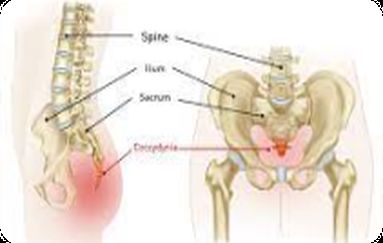
Coccydynia is a painful condition affecting the tailbone (coccyx), commonly caused by falls, prolonged sitting, childbirth, or repetitive pressure on the lower spine. The pain may worsen while sitting, standing up, or changing positions, making daily activities difficult. Women, drivers, and individuals with desk jobs are more likely to experience this condition. Studies suggest nearly 1 in 20 adults may experience tailbone pain during their lifetime.
Who Gets Coccydynia?
Coccydynia can affect both men and women, though it is more common in women after childbirth. People who sit for long hours, drive frequently, or have repetitive pressure on the tailbone are at higher risk.
Why Choose SpineMantra for Coccydynia?
At SpineMantra, we focus on non-surgical, evidence-based treatment for long-term relief from tailbone pain. As Eastern India’s first McKenzie-certified clinic, we use personalized physiotherapy, gentle exercises, posture correction, and manual therapy to reduce pain and improve mobility. Our experts identify pain-triggering movements and guide patients with self-management strategies, helping them recover safely, prevent recurrence, and return to daily activities comfortably.
The average age of people suffering from Coccydynia in India is 42 years. This makes it extremely important for people to understand the different things that can cause this problem.
- Trauma or Injury
It means a direct effect on your tailbone, especially from falls or blows, which can cause bruising, fractures or dislocation, leading to big pain we see often at SpineMantra.
- Prolonged Sitting
This involves extended intervals on hard surfaces, placing excessive strain on your tailbone, causing real pain and inflammation that our specialists frequently treat.
- Repetitive Strain
It comes from activities like cycling or rowing, which put constant pressure on your tailbone, creating stress and inflammation that we help manage daily.
- Childbirth-Related Tailbone Injury
This can happen when the tailbone gets bruised, dislocated or fractured during delivery due to the baby passing through the birth canal.
- Obesity
It brings extra body weight that increases pressure on your tailbone, raising your injury risk significantly, which our SpineMantra team evaluates carefully.
- Degenerative Joint Changes
This means age-related wear and tear near the tailbone, reducing mobility and worsening pain during sitting or motion we address comprehensively.
- Infections or Tumors
This is rare but can cause swelling or pain in the tailbone area, requiring prompt medical assessment, which SpineMantra coordinates for you.
A BMI more than 27.4 in females and 29.4 in males is considered a major risk factor for Coccydynia, as per the National Library of Medicine.
This is the reason you should take the following symptoms seriously:
- Localized Tailbone Pain
You can feel a strong pain in the lower side of your spine. This pain can increase with time if you put more pressure on your back regularly.
- Pain When Sitting or Rising
This happens because changing position stresses the coccyx. You will see that the pain increases every time you sit down or stand up.
- Pain After Sitting for a Longer Period
It builds steadily when you stay seated too long, especially on hard surfaces. This constant pressure leads to a deep, persistent soreness around your tailbone region.
- Radiating Pain to Lower Back or Hips
It can happen because of the spreading of inflammation. Your tailbone pain might extend upwards into your lower back or outwards towards your hip joints, causing wider discomfort.
- Tenderness Around the Tailbone
This means even light touch or pressure over the coccyx feels painful and sensitive. This tenderness signals irritation in the tissues supporting your tailbone.
- Pain During Bowel Movements or Intercourse
It flares because these actions engage pelvic muscles pulling on the coccyx. You experience heightened pain during bowel movements or sexual activity due to this direct stress.
We at SpineMantra recommend specialized physiotherapy treatment for effective Coccydynia management. Our tailored program includes these key approaches:
- Manuel Therapy
Our manual therapy techniques gently address tender, sensitive areas around your lower back and coccyx, aiming to relieve your ache and improve mobility significantly.
- Pelvic Floor Exercises
We teach specific pelvic floor exercises designed to strengthen muscles around the coccyx, which helps decrease pressure directly on this delicate bone structure.
- Posture Correction
SpineMantra therapists provide clear posture correction advice, showing you how to sit correctly, limiting stress on your tailbone during daily activities.
- Cushioning Techniques
We offer guidance on cushioning techniques using specialized donut or wedge cushions to effectively relieve direct pressure on your tailbone while seated.
- Stretching Exercises
Our program incorporates targeted stretching exercises for your lower back, hips and gluteal muscles, helping these tissues relax and reduce pulling.
- Core Strengthening
These exercises form a vital part of our plan, building essential support for your lower spine through stronger abdominal muscles.
- Heat and Cold Therapy
We advise using heat and cold therapy applications to help minimize local inflammation and manage your pain levels effectively.
- Soft Tissue Mobilization
This method is applied near your coccyx, aims to increase healthy blood flow, reduce stiffness and promote healing in surrounding ligaments.
At SpineMantra, we use a detailed diagnostic approach to accurately identify Coccydynia.
- Patient History Assessment: We carefully review your past health events, looking for possible causes of your tailbone pain, how long it has lasted and what might have started it.
- Physical Examination: We gently feel along your tailbone area, checking carefully for signs of inflammation and any restricted movement you might experience.
- Posture Analysis: We thoroughly assess how you sit and stand, looking for specific postures that could be causing your tailbone problem.
- Pain Mapping: We work with you to identify exactly where your pain zones are so our therapies can be precisely focused there.
- Functional Movement Testing: We observe how you walk and move throughout your day, noting any movements that trigger your tailbone pain behaviors.