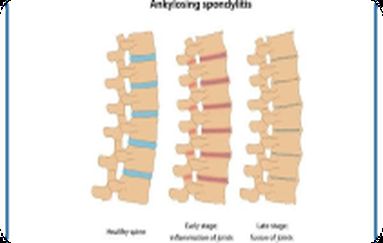
Ankylosing Spondylitis (AS) is a chronic autoimmune condition that causes inflammation in the spine and sacroiliac joints, leading to pain, stiffness, and reduced flexibility. In severe cases, spinal bones may fuse over time. Although there is no cure, early diagnosis and proper treatment can effectively manage symptoms, improve mobility, and maintain quality of life through physiotherapy, exercise, posture correction, and medication when needed.
Who Gets Ankylosing Spondylitis?
AS affects approximately 0.1%–1.4% of the population and is strongly associated with the HLA-B27 gene. It is more common in men than women and typically begins between the ages of 20 and 30, though it can occur later in life.
Why Choose SpineMantra for Ankylosing Spondylitis?
At SpineMantra, we provide specialized, evidence-based care focused on reducing inflammation, improving mobility, and preventing complications. Our personalized treatment plans combine physiotherapy, posture correction, exercise programs, lifestyle guidance, and medical management to support long-term relief and better function.
An individual’s genetic disposition to Ankylosing Spondylitis is its main causative factor, especially the existence of the HLA-B27 gene that is present in around 70-90% of the patients with AS in India. This gene is capable of causing a malfunctioning immune reaction that might induce the body to begin attacking the joints of the spine and the pelvis that the body sees as a threat. The onset of inflammation is at the sacroiliac joints, and slowly it propagates towards the top of the spine, normally leading to fusing of the vertebrae of the spine.
Interestingly, HLA-B27 carriers do not always develop AS, which, again, implies that environmental factors, i.e., gut microbiome imbalance or specific bacterial infections (e.g., Klebsiella pneumoniae), could serve as triggers in people with a genetic predisposition to this disease. Chronic stress and hormonal imbalance can also enhance the effect of inflammation responses, making the progression of the disease even faster.
Early detection of symptoms is crucial, as the disease often goes unnoticed due to its mild presentation before it progresses.
- Typical Early Signs: The typical symptoms of the spinal inflammation include lower back pain, stiffness, and tightness, especially in the morning or after being in one position.
- Joint Pain Beyond the Spine: Peripheral joints may include knee joints, foot joints and shoulders that will be inflamed, thereby causing pain and limited movement.
- Rib and Chest Discomfort: In the case of the rib joints, deep breathing may not be easy, and it may even be painful.
- Eye and Skin Conditions: Some people can have eye redness or pain (uveitis) and skin conditions such as psoriasis.
- Fatigue and Digestive Problems: Most individuals complain of fatigue, stomach cramps, or diarrhoea, which are also frequent in individuals with accompanying gut diseases.
- Sleep Interruption: People with Ankylosing Spondylitis often experience disturbed sleep due to persistent back or hip pain. Pain can intensify at night, and discomfort while turning in bed may wake patients repeatedly. This lack of restful sleep leads to fatigue and daytime tiredness.
- Limited Spinal Mobility: Chronic inflammation in the spine and sacroiliac joints can cause stiffness and a gradual loss of flexibility. Patients may notice difficulty in bending forward, twisting, or maintaining an upright posture for long periods. As the disease progresses, the spine may become less mobile, restricting day-to-day movements.
- Alternating Buttock Pain: Inflammation of the sacroiliac (SI) joints- located where the spine connects with the pelvis- is one of the earliest and most common symptoms of Ankylosing Spondylitis. This pain often starts in the buttock region and may alternate between the left and right sides, making it a strong clinical sign of SI joint involvement.
- Fusion of Spine (Bamboo Spine): At an extreme stage, chronic inflammation may result in ossification of ligaments and fusion of the spine, converting the spine into a rigid, immobile column that looks like a bamboo walking stick on the X-rays.
- Unintentional Weight Loss: Over time, some of the patients can lose weight without apparent reasons caused by systemic inflammation or connected digestive problems.
Who is at Higher Risk?
Anyone can develop ankylosing spondylitis, although certain factors increase the risk:
- Family History: There is an increased risk of developing it if you have a family history of ankylosing spondylitis.
- Early Onset: They start at an early age, and in the majority of cases, it starts before the age of 45 years, and there has been a tendency for it to show during teenage years,
- Associated Health Problems: The disorder is increased among people with inflammatory disorders, where people with Crohn’s disease, ulcerative colitis or psoriasis are at risk of developing the disorder.
At SpineMantra, our experts use evidence-based assessment and rehabilitation techniques designed for Ankylosing Spondylitis. Instead of relying on methods suited for mechanical back pain, our approach focuses on targeted physiotherapy, mobility and strengthening exercises, posture correction, and lifestyle guidance. These strategies help reduce stiffness, improve spinal mobility, and support long-term spinal health. The goal of SpineMantra’s treatment is pain relief, improved movement, and slowing disease progression – achieved through a personalised and integrated care plan.
- Core Treatment Goals: The primary concerns are to inform the patient, provide individual recommendations, and present a rehabilitation plan to handle flare-ups.
- Exercise and Physical Therapy: Physiotherapy is a well-planned procedure that is necessary to ensure spinal movement and alignment of the body.
- Medical Management: Common and widely used anti-inflammatory medicines, coupled with therapy, are NSAIDs to curtail the inflammation and feelings of pain.
- Treatment Tailoring: Treatment plans are adjusted depending on whether arthritis primarily affects the spine, the peripheral joints, or is accompanied by tendon inflammation.
- Long-Term Management: Its purpose is to maintain function, reduce disruption to daily activities, and enhance overall well-being and mobility.
- Ergonomic Correction and Postural Training: Physiotherapy focuses on postural retraining, spinal correction, and improving workplace or sleep ergonomics, with the aim of delaying spinal fusion and preventing deformities.
- Bone Health Optimisation: Osteoporosis is a common risk in patients with AS due to chronic inflammation and reduced mobility. Monitoring bone mineral density, along with supplements such as calcium and vitamin D, is usually an important part of the treatment plan.
- Supervised Home Exercise Programs: Patients are guided to follow daily stretching, breathing, and mobility exercises at home to maintain consistency and independence.
- Lifestyle and Diet Modifications: Balanced nutrition, maintaining a healthy weight, quitting smoking, and regular activity are encouraged to reduce inflammation and support bone and joint health.
Outlook and Prognosis
For some, the spine becomes completely stiff, but others have ups and downs with symptoms. Leading a productive life and avoiding severe disability are often achievable with early and ongoing treatment.
To develop a successful treatment plan, proper diagnosis is required, and ankylosing spondylitis demands a comprehensive exam to use both clinical experience and imaging methods.
- Comprehensive History: The whole picture of your medical history and the way you lead your life is also obtained to assess the symptoms and potential risk factors.
- Physical Evaluation: This comprises posture tests, flexibility assessment and tapping of neurological responses to determine physical deficiencies.
- Imaging Methods: X-rays or MRIs are commonly used to detect structural changes in the spine and joints.
- Genetic Testing of HLA-B27: This blood test screens the HLA-B27 gene found in around 70–90% of AS patients. It assists in ruling in or out a verdict in cases where there is confusion and imaging evidence is unclear.
- Inflammatory Marker Tests: Various blood tests that include ESR (Erythrocyte Sedimentation Rate) and CRP (C- Reactive Protein) are applied to measure systemic inflammation and the disease activity.
- Differential Diagnosis Ruling: By comparing clinical symptoms and radiographic findings, doctors exclude other types of back pains, i.e. mechanical ones, herniated discs, and infections, to obtain a successful and proper AS diagnosis.