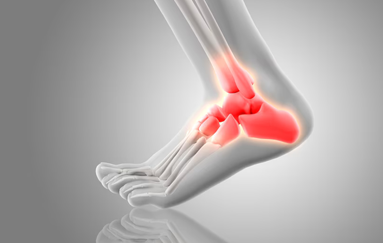
Ankle pain is a common condition affecting people of all ages. It is often caused by sprains, fractures, overuse injuries, arthritis, gout, or nerve-related conditions. If left untreated, ankle pain can lead to chronic instability, reduced mobility, and difficulty performing daily activities. Early diagnosis and proper rehabilitation are essential for effective recovery and long-term joint health.
Who Gets Ankle Pain?
Anyone can develop ankle pain, including children, athletes, working professionals, and older adults. Risk factors include sports activities, physically demanding jobs, obesity, poor footwear, and previous ankle injuries. Prompt treatment can help prevent ongoing pain and movement limitations.
Why Choose SpineMantra for Ankle Pain?
At SpineMantra, we focus on identifying the root cause of ankle pain through accurate assessment and personalized care. Our expert team uses evidence-based physiotherapy, manual therapy, and targeted rehabilitation programs to reduce pain, improve mobility, restore strength, and prevent future injuries, helping you return to an active, pain-free lifestyle.
- Sprains and ligament injuries: Sudden twists or rolls stretch or tear ankle ligaments, producing sharp pain, swelling and instability; repeated sprains often cause chronic pain and mechanical instability.
- Tendinopathies: Overuse inflames or degenerates tendons (Achilles, peroneal), causing localised pain with activity, stiffness and risk of rupture when untreated.
- Fractures and acute trauma: Direct blows or high-energy injuries cause broken bones in the ankle or foot, leading to severe pain, deformity and long recovery if displaced.
- Arthritis and inflammatory disease: Osteoarthritis, post-traumatic arthritis or inflammatory arthropathies progressively damage joint cartilage, producing persistent ache, stiffness and reduced motion.
- Biomechanical and overuse problems: Poor foot mechanics, muscle tightness (equinus) or repetitive loading cause stress reactions, tendon overload and plantar complaints that manifest as ankle pain.
- Pain and swelling: Acute or chronic ankle conditions commonly produce localised pain that worsens with movement or weight-bearing; swelling often appears quickly after injury and may signal ligament tears, fractures, or inflammatory disease.
- Bruising and tenderness: Discolouration and point tenderness frequently accompany sprains or fractures, helping clinicians localise damaged structures and assess severity.
- Reduced motion and instability: Stiffness, limited dorsiflexion/plantarflexion or a sensation that the ankle “gives way” suggest joint injury, tendon dysfunction, or chronic instability following repeated sprains.
- Difficulty bearing weight and functional loss: Inability to walk, a popping sound at the time of injury, or visible deformity suggest severe sprain, tendon rupture, or fracture requiring urgent assessment.
- Accurate Diagnosis and Imaging: We begin with a thorough clinical assessment and, when needed, advanced imaging like MRI or ultrasound. This ensures we identify the exact source of ankle pain, whether ligament, tendon, bone, or joint, so treatment is targeted, effective, and efficient.
- Personalised Physiotherapy: Our tailored rehab programs focus on restoring mobility, strength, and proprioception. We use evidence-based exercise progressions to protect healing tissues while preventing stiffness, weakness, or recurrent injury.
- McKenzie Technique for Joint Health: We apply movement-based rehabilitation strategies, inspired by proven physiotherapy methods, to improve ankle strength, mobility and long-term resilience.
- Manual Therapy and Advanced Modalities: Our treatment includes joint mobilisations, soft tissue techniques, therapeutic ultrasound, and supervised exercises to reduce pain and speed up recovery. These may support tissue repair, reduce inflammation, and improve circulation for potentially faster recovery.
- Return-to-Activity Programs: We don’t stop at pain relief. Our sports-specific and daily-function restoration plans ensure you return safely to work, sport, or routine activities without lingering instability or discomfort.
At SpineMantra, Dr. Saiantini Dey (PT) has strong expertise in spine and musculoskeletal physiotherapy. With her knowledge of body mechanics and functional rehabilitation, patients receive holistic care, ensuring ankle recovery is integrated with overall posture and movement patterns.
With her deep clinical experience, she applies the McKenzie Technique as part of rehabilitation, focusing on movement-based strategies that support long-term recovery. Our patients benefit from her precise evaluations, clear guidance, and a rehabilitation plan that’s both effective and sustainable, helping them walk, run, and move with renewed confidence.
- Clinical Examination: A structured physical assessment includes palpation for tenderness, swelling, and deformity, along with range-of-motion and stability tests such as the anterior drawer or talar tilt. These help identify ligament injury, tendon involvement, or joint instability.
- Imaging Studies: X-rays rule out fractures or joint misalignment, while MRI provides detailed views of soft tissues, including ligaments, tendons, and cartilage. Ultrasound can dynamically assess tendon movement and detect subtle tears or inflammation.
- Functional Assessment: Evaluating gait, balance, and load-bearing capacity reveals biomechanical deficits or compensations that may contribute to pain and instability. This step is crucial for tailoring rehabilitation programs effectively.
- Laboratory Tests: When inflammatory or systemic causes are suspected, blood tests for markers like ESR, CRP, or uric acid can help diagnose conditions such as gout, rheumatoid arthritis, or infection affecting the ankle joint.