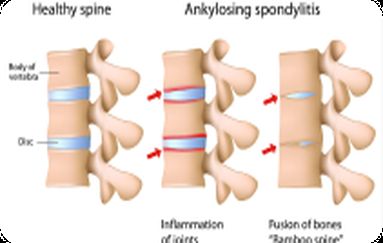
Spondylosis primarily refers to a degenerative disorder of the spine attributed to ageing. It often interferes with daily activities, causing constant fatigue, discomfort and pain. A study suggests that a radiographic view of spondylosis can be seen in more than 85% of persons over sixty. The disc, joints, and ligamentous structures show a degenerative tendency-their gradual loss due to wear and tear from use. Neck and low-back pains, stiffness, and tingling sensations coming down from nerve compression are some common symptoms.
Cervical spondylosis is one of the common ailments and affects almost two-thirds of persons over sixty years of age. The following are considered risk factors: repetitive strain, posture, spinal injury, and some genetic factors. Spondylosis happens to be a clinical diagnosis, correlated with history and confirmed by radiographs or MRI. Early intervention provides pain relief, maintains motion, and prevents serious complications.
Why Choose Spinemantra For This Spondylosis?
Up-to-date, non-surgical treatments are provided by SpineMantra to reduce pain and improve spinal flexibility. According to each patient’s health and lifestyle, their professionals provide tailored treatment programs. They focus on faster recovery and consistent treatment using evidence-based physiotherapy techniques such as the McKenzie method, which is widely recognised for spine care.
- Aging Process
With age, spinal discs become dehydrated and less elastic, contributing to degeneration. This incidental wear and tear is the major reason for spondylosis.
- Repetitive Strain
Occupations or activities that include repetitive neck or back movement may strain spinal components. Gradually, this promotes disc degeneration and joint destruction.
- Poor Posture
Sitting or standing in poor alignment places extra stress on spinal discs. Poor posture maintained over long periods—such as prolonged sitting at a desk—can accelerate strain on the spine and contribute to spondylosis.
- Previous Spinal Injuries
Injury or trauma in the past can compromise spinal structures and accelerate degeneration. Past injuries increase vulnerability to spondylosis in later years.
- Genetic Factors
Hereditary factors contribute to this as well. Some genetic factors can predispose one to develop degenerative changes in the spine in early stages of life.
- Chronic Back or Neck Pain
Because of disc degeneration, spondylosis frequently results in persistent neck or back pain. Moving around or standing and sitting for extended periods of time may make this discomfort worse.
- Toughness and Decreased Adaptability
Spinal stiffness is common in patients, which restricts their ability to move and do daily tasks. Morning stiffness is common but usually subsides after light stretching or little bit of movement.
- Tingling or Numbness Feelings
Spondylosis-related nerve compression can result in weakness, tingling, or numbness in the arms or legs. Such nerve-related symptoms may lead to reduced grip strength, poor coordination, and limitation in physical performance.
- Physical Therapy and Directed Exercises
We create customised physical therapy regimens to increase flexibility, fortify stabilising muscles, and alleviate stiffness. Our therapists guide controlled movements that restore spinal alignment and encourage proper posture. This procedure not only minimises discomfort but also prevents additional spinal degeneration over a period.
- McKinzie Technique for Posture and Pain Management
We have selected the McKenzie technique due to its focus on correcting posture and reclaiming spinal motion naturally. Our practitioners use this technique to discover particular motion patterns that reduce pressure on nerves. With the active involvement of patients, the technique aids in bringing about long-lasting mobility and pain control improvement. It also trains patients in self-care techniques for long-term spinal health.
- Non-Invasive Pain Relief Methods
We are committed to delivering treatments that reduce reliance on medication and bypass unnecessary surgeries. Our physiotherapy-based pain relief solutions include advanced modalities such as Interferential Therapy, TENS, Russian Current, ultrasound, and manual therapy sessions to reduce inflammation and stiffness. These methods reduce inflammation, enhance blood flow, and promote natural healing processes in the spine.
- Lifestyle Modification and Ergonomic Guidance
We instruct our patients in lifestyle modification that supports and protects the spine. This involves teaching effective workplace ergonomics, sleeping posture, and modifications in daily activity. By modifying these day-to-day activities, we are able to decrease stress on spinal structures and allow for sustainable relief. Our objective is to bring about enduring changes through educated decisions and preventive care measures.
- Physical Examination: It begins with evaluation of posture, range of motion, and any tenderness along the spine. This helps detect stiffness, muscle spasms, or signs of nerve compression. Early physical findings guide further diagnostic steps for confirming spondylosis accurately.
- Medical History Review: A physiotherapist evaluates your symptoms, lifestyle habits, occupational strain, and any past spinal injuries to build a personalised treatment plan. Details on occupational strain, family history, and prior treatments provide useful diagnostic context. This background aids in distinguishing spondylosis from other spinal disorders.
- Imaging Tests: X-rays reveal bone spurs, disc space narrowing, or degenerative changes in vertebrae. MRI scans provide detailed images of discs, nerves, and soft tissues for better assessment. These tests are essential for determining severity and guiding treatment planning.
- Neurological Evaluation: Deep Tendon Reflexes, muscle strength, and sensory responses to detect nerve involvement. This helps assess spinal cord or nerve root compression caused by degenerative changes. Neurological findings influence both treatment choices and the urgency of intervention.