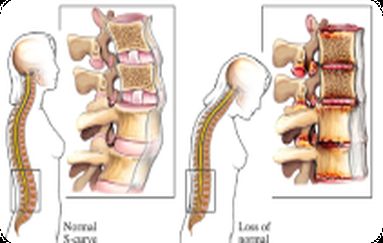
Spondylitis is an inflammatory spinal condition, mainly axial spondyloarthritis, that causes persistent back pain, stiffness, and reduced mobility. Symptoms often begin in early adulthood and can affect daily activities and quality of life. Many individuals carry the HLA-B27 gene, increasing susceptibility to the condition. Delayed diagnosis may lead to greater disability, but early physiotherapy, exercise, and appropriate treatment help improve mobility, function, and long-term outcomes.
Who gets Spondylitis?
Spondylitis commonly begins before age 30 and is strongly linked to the HLA-B27 gene. Family history, inflammatory bowel disease, and certain ethnic backgrounds increase risk. Men are more frequently diagnosed, though women may present differently. Early symptoms include chronic inflammatory back pain and stiffness, making timely specialist assessment essential.
Why Choose SpineMantra for Spondylitis?
At SpineMantra, spondylitis care combines evidence-based physiotherapy, personalised rehabilitation, posture correction, and McKenzie-based techniques to improve spinal flexibility and function. Our team uses detailed assessment and progress monitoring to tailor treatment, helping patients manage symptoms, maintain mobility, and support long-term spinal health and quality of life.
Genetic Predisposition: Strong association with HLA-B27 and other genes increases susceptibility, but gene presence alone does not guarantee disease. Family history raises individual risk.
- Immune Dysregulation: Abnormal immune responses and cytokines (such as TNF) drive chronic spinal inflammation and enthesitis.
- Physiotherapy-centered cause: Sedentary lifestyle, poor posture, and weak core muscles worsen Spondylitis symptoms, making physiotherapy crucial for restoring spinal balance.
- Environmental and Lifestyle factors: Smoking, mechanical stress, and other environmental exposures can worsen risk, accelerate progression, and reduce treatment response, making lifestyle modification important.
Inflammatory back pain: Persistent low back and buttock pain that improves with exercise but worsens with rest, often worse at night and in the morning, signalling axial involvement.
- Morning stiffness and reduced spinal mobility: Stiffness lasting 1 hour or more than 1 hour with progressive loss of spinal flexibility and limited chest expansion affecting posture and breathing, which improves with activity.
- Peripheral arthritis and enthesitis: Pain, swelling, or tenderness in hips, knees, heels, and tendon insertion sites (entheses), causing heel pain and joint swelling; these symptoms may be intermittent or persistent.
- Extra-articular symptoms and systemic features: Systemic fatigue and posture changes may occur with stiffness and spine pain. Physiotherapy focuses on reducing pain, improving posture, and building endurance safely.
- Structured Physiotherapy and Exercise: Supervised sessions combined with customised home exercise routines play a central role in treating spondylitis. These programs improve posture, spinal mobility, chest expansion, pain levels, and daily function. Consistency is key, and long-term continuation ensures sustained benefits.
- McKenzie Method (Mechanical Diagnosis and Therapy, MDT): The McKenzie Method is a specialised approach we use at SpineMantra to assess spinal movement patterns and relieve pain. Through guided, repeated movements and posture correction strategies, patients learn effective self-management skills. This reduces dependency on clinic visits and supports steady progress.
- Core Strengthening and Flexibility Training: Our physiotherapists focus on targeted strengthening of back, abdominal, and hip muscles. By improving flexibility and core stability, we help protect the spine, reduce stiffness, and enhance endurance for everyday activities.
- Postural Rehabilitation and Ergonomic Guidance: Poor posture and workplace strain often worsen spondylitis symptoms. We provide ergonomic training, posture correction exercises, and personalised strategies to reduce pain triggers in daily life. This protects long-term spinal health and prevents relapses.
- Breathing and Relaxation Techniques: Chest mobility often reduces in spondylitis. Guided breathing exercises and relaxation therapy improve chest expansion, reduce fatigue, and support better lung function, further enhancing overall quality of life.
We chose MDT because of its evidence base for mechanical spine disorders and its practical focus on patient-led rehabilitation and rapid symptom improvement. Our model integrates MDT with guideline-recommended exercise and medical management to create tailored, measurable care pathways. Dr. Saiantini Dey (PT), our McKenzie-credentialed spine specialist, brings advanced orthopaedic training and extensive clinical experience treating thousands of spinal cases; her McKenzie credential and clinical background strengthen our ability to deliver effective, evidence-based rehabilitation at SpineMantra.
- Clinical History: The first step involves evaluating the patient’s history of back pain and stiffness. Chronic pain lasting more than three months, especially when it worsens at night and improves with exercise, strongly suggests an inflammatory nature. Identifying early symptoms helps guide timely physiotherapy care.
- Physical Examination: Our physiotherapists assess spinal movement, flexibility, and posture using specialised tests like the Schober test and chest-expansion measurement. Additional checks for muscle tightness, gait pattern, and joint tenderness help highlight functional limitations caused by spondylitis. Loss of spinal motion is a key diagnostic feature.
- Functional Assessment: Alongside physical tests, we perform functional assessments to measure posture, endurance, and core strength. This helps determine how the condition affects daily tasks. Such evaluation allows us to design personalised exercise programs that address both pain relief and long-term mobility improvement.
- Movement and Imaging Review: When needed, patients’ previous imaging scans such as X-rays or MRIs are reviewed to understand structural changes. Physiotherapists interpret these reports in combination with mobility assessments, ensuring accurate diagnosis and a clear pathway for rehabilitation.