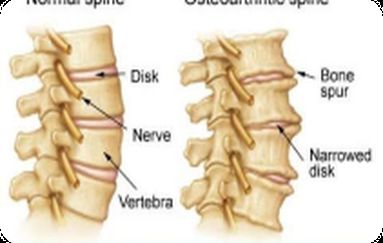
Spinal arthritis is inflammation affecting the facet or sacroiliac joints of the spine, commonly caused by age-related degeneration, autoimmune conditions, infections, or other disorders. It may also involve ligament and tendon attachment points. Osteoarthritis is the most common type, often affecting the neck and lower back, causing chronic pain, stiffness, and reduced mobility. Risk factors include ageing, obesity, genetics, and conditions such as diabetes, gout, psoriasis, tuberculosis, irritable bowel syndrome, and Lyme disease. Early diagnosis and appropriate management help reduce symptoms and maintain spinal function.
Why choose Spine Mantra?
Spine Mantra provides special attention to spinal arthritis: the basis of treatment is the correct diagnosis, individual physiotherapy regimen, and a combination of innovative approaches to treatment to eliminate pain and increase mobility. Our team of experts helps identify the cause of the condition and hence provides lasting results instead of deferring it by providing relief. Spine Mantra is a patient–centric spine care centre with the latest equipment, which is determined to heal your spine and improve your quality of life.
- Autoimmune disorders
Autoimmune conditions such as rheumatoid arthritis, ankylosing spondylitis, and psoriatic arthritis can affect the spine and its surrounding structures. In these disorders, the immune system mistakenly attacks the body’s own joint tissues, leading to chronic inflammation, pain, stiffness, and progressive joint degeneration.
Rheumatoid arthritis primarily affects the cervical spine, particularly the atlantoaxial (C1–C2) joint, and may cause instability or, in severe cases, spinal cord compression.
Ankylosing spondylitis typically involves the sacroiliac joints and the spine, resulting in fusion of the vertebrae (ankylosis) and reduced spinal mobility over time.
Psoriatic arthritis can cause both axial (spinal) and peripheral joint involvement, with inflammation at entheses (tendon and ligament attachment sites), leading to pain and stiffness.
Prolonged inflammation in these autoimmune disorders can result in muscle wasting, reduced flexibility, and functional impairment if not managed appropriately with targeted medical and physiotherapeutic interventions.
- Genetic predisposition
A family history of spinal arthritis or autoimmune disorders can increase an individual’s susceptibility to developing similar conditions. Certain genetic markers—such as the HLA-B27 gene—have been strongly associated with autoimmune forms of spinal arthritis, including ankylosing spondylitis and psoriatic arthritis.
Individuals who inherit these genetic traits may have an overactive immune response or altered inflammatory pathways, making them more prone to chronic joint inflammation and early degenerative changes in the spine. While genetic predisposition alone does not guarantee disease onset, it can act as a significant risk factor when combined with environmental triggers such as infections, physical stress, or lifestyle factors.
- Medical conditions
Gout, psoriasis, tuberculosis, irritable bowel syndrome, and Lyme disease, among others, are diseases that may directly cause inflammation and arthritis in the spine.
The symptoms of spinal arthritis can vary depending on the region of the spine involved (cervical, thoracic, or lumbar) and the severity of inflammation or degeneration. The condition often develops gradually and may worsen over time. Common symptoms include:
- 1. Persistent Pain in the Neck or Back
One of the earliest and most frequent symptoms is a dull, aching pain in the affected region of the spine. The discomfort may worsen with movement, prolonged standing or sitting, or after maintaining one posture for an extended period. Pain relief may occur with gentle motion or rest.
- 2. Morning Stiffness
Many individuals experience stiffness after waking up or following periods of inactivity. This stiffness usually improves with light physical activity or stretching, a characteristic feature of inflammatory spinal arthritis such as ankylosing spondylitis.
- 3. Tenderness and Swelling
The affected spinal joints may become tender, warm, or mildly swollen due to inflammation. Palpation around the facet or sacroiliac joints often reproduces pain or discomfort.
- Radiating Pain
Inflammation and joint degeneration may irritate nearby spinal nerves, causing radiating pain into the shoulders and arms (in cervical involvement) or into the buttocks, hips, and legs (in lumbar involvement). In severe cases, symptoms may mimic sciatica or radiculopathy, with associated tingling or numbness.
- Grinding or Popping Sensation (Crepitus)
When cartilage wears down, the roughened joint surfaces may produce a grating, clicking, or popping sound during spinal movement. This can be more noticeable during bending or twisting.
- Reduced Flexibility and Range of Motion
Progressive stiffness may lead to a limited ability to bend, twist, or extend the spine, interfering with daily activities such as dressing, driving, or reaching overhead.
- Fatigue and General Malaise
Chronic pain and persistent inflammation can contribute to fatigue, sleep disturbances, and decreased energy levels. Inflammatory types of arthritis may also be associated with low-grade fever or weight loss in some cases.
- Postural Changes
In advanced stages, particularly in ankylosing spondylitis, fusion of the spinal joints can cause a forward-stooped posture (kyphosis), significantly affecting balance and mobility.
Spinal arthritis should be handled by lowering the pain and inflammation and improving spinal flexibility. It has no definitive therapy, but early remedy can significantly slow the progression of the disease, coupled with a higher quality of life.
- Physiotherapy and specific exercises – Exercises using specialised stretches and strength-building exercises will be used to keep flexibility, help with posture, and reduce stiffness.
- Pain control- Non-steroid anti-inflammatory drugs(NSAIDs), muscle relaxants or over-the-counter medications can be given to help with pain and swelling.
- Hot/Cold therapy- The hot remedy can also relax muscle groups and stimulate blood movement, while cold therapy decreases irritation and dulls discomfort.
- Change of way of life – Maintaining a great posture, management of weight, and changes to ensure ergonomic alignment in everyday recurring activities lessen the load on the spinal joints.
We offer quality medical management of spinal arthritis at Spine Mantra, including individualised physio programmes, superior manual therapy and contemporary rehabilitation methods aimed at treating and healing the cause of your pain. Our specialist physiotherapists apply evidence-based treatment to increase mobility, build up the spirit, and stop further damage to the joints. Spine Mantra will guarantee you relief that is sustainable and will enable you to walk without any pain, because of its patient-first philosophy, world-class facilities, and constant guidance.
Spinal arthritis is diagnosed using a thorough examination process in which the body seeks to determine the particular form of the problem, its magnitude, and its occurrence. In Spine Mantra, the experts start by taking patient and physical histories, followed by advanced imaging and tests. They can use X-rays to look into any changes in the bones, joint space narrowing, and the existence of bone spurs.
- MRI scans that will show a clear image of the soft tissues, discs and joint degeneration
- CT scans are used to obtain a cross-sectional view of the spinal region in a bid to have a correct diagnosis.
- Blood tests to determine autoimmune diseases or infection in arthritic
Global health evidence shows that almost 80 per cent of the population suffers some form of back pain at some point in their lives, and about 15-20 per cent have been identified to have changes in the spine that involve arthritis. In India, spinal arthritis cases are increasing, and it is estimated that up to 18 million other individuals are victims of the same.
The difference is that Spine Mantra specialises in the McKenzie Method of Mechanical Diagnosis and Therapy (MDT), which is an evidence-based methodology which has spread throughout the world with a remarkable reputation. The Eastern India first clinic having MDT Certified clinician, they specialise in precise evaluation and their self-management exercise program requires limited medication and eliminates unnecessary surgical operations. This is particularly useful since it equips the patients with skills on how to deal with their symptoms without needing supervision in the future.
Patients, under the care of our highly skilled spine specialist, Dr. Saiantini Dey (PT) Experience personalised treatment plans that are backed by data and comprise precision diagnostics and treatment excellence. This provides early diagnosis, proper classification and quick recovery of spinal arthritis.