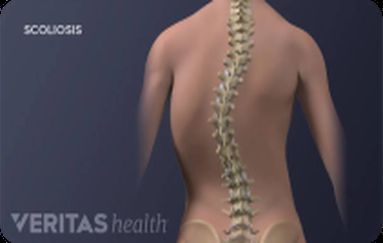
The spine acts to stabilise the body and the posture, and a properly aligned spine would be straight when an observer looks at the back. It can develop in childhood or later due to another disease. This normal alignment changes in scoliosis since the spine becomes curved with a tendency toward a pronounced shape of an S or a C. Such curves may occur in different sections of the spine and may be leaning towards the left or the right. The condition in most instances develops without a specific, known cause.
Why Spine Mantra For SCOLIOSIS?
Spine Mantra provides quality evidence-based physiotherapy treatments that each patient would minutely need with improved assessment tools. Individual rehabilitation programs offered by the clinic will promote posture, decrease discomfort, and increase mobility. Through the use of an experienced staff, patients are used to concentrated care with a comfortable and conducive atmosphere.
- Idiopathic Scoliosis
This is the most widespread one, and the precise cause is not known. It can usually arise during the growth spurt prior to puberty, and it may be genetic in origin, being inherited.
- Congenital Scoliosis
It happens as a result of improper development of the spine in the womb. The vertebrae are only half-developed or fused, which produces a curvature when the child is born.
- Neuromuscular Scoliosis
The case includes situations that affect the nerves and muscle mass, like cerebral palsy, muscular dystrophy, or spinal cord damage. As a result, it develops. These disorders compromise the energy of the muscular tissues that keep the backbone straight.
- Degenerative Scoliosis
In older adults, it is seen primarily as a result of strain on the spine, or strain of arthritis, osteoporosis or disc degeneration. As time goes by, such modifications may change the spinal alignment.
- Trauma/Injury
The natural structure of the spine may be altered at times, making it normal to get scoliosis after a severe injury to the spine or spinal surgery.
- Other Conditions of the Body
Some health conditions, such as Marfan syndrome or tumours that exist in or around the spine, may come into play when developing scoliosis.
- Uneven Shoulders
There are several situations when one shoulder is not similarly elevated as the other one, but this aspect can be easily observed when it is time to wear tight clothes or have a look in the mirror. This occurs due to the fact that the curve of the spine exerts pressure on the shoulder blades, forcing them to take up various positions.
- Uneven Waist
The spinal curve could lead to the dipping of one half of the waistline lower than the other, leading to an asymmetrical waistline. This may also have an impact on the way belts or waistbands get placed on the body.
- Hip Ones Hip Higher Than the Other
The pelvis is usually tipped, resulting in one side of the hip that seems to be at a higher position. This may produce a minor imbalance while walking or standing.
- Well-developed Shoulder Blade
One shoulder blade can protrude more than the other, particularly on a lean over. This can be attributed to the fact that the rotation of the spine combines with the rib cage.
- One Side Lean
The body tends to look slightly to the left or right since the curve on the spine causes a shift in the gravity centre of the body. This may also cause strain on the muscle over time.
- Back Pain
Others have mild to moderate pain in the back, particularly after sitting or standing so long. The cause of this pain is imbalanced stress on the back muscles and joints.
- Back Muscle Fatigue
Due to the one side of the back having to work harder as a result of scoliosis, keeping the body upright, the muscles can easily become fatigued, resulting in stiffness or soreness.
- Imbalanced look of legs
Even though the real bones in the legs might be the same length, the dipping of the hips can cause one leg to look shorter, which would affect posture and way of walking.
- Not Evenly -Fitting of Clothing
Clothes can hang differently on the body; that is, shirt sleeves can appear longer on one side or the legs of pants. This tends to be observed when the spinal curve is in the range of moderate to severe.
- Loss of Range of Motion
The free-movement curve may cause inflexibility in the spine, and the spine becomes difficult to bend, twist or turn without experiencing pain.
We are certain that no two cases of scoliosis are the same, and hence, at Spine Mantra, we offer individualised treatment plans after assessing the condition thoroughly. Our expectations are to avoid further development of the curve, relieve pain and regain motion. Curative factor for scoliosis at our centre entails:
- Monitoring & Assessment on a Routine Basis
In the case of mild scoliosis, we make regular follow-ups accompanied by physical examination, and where necessary, an imaging test can be conducted. This assists us in monitoring any developments early enough so that we can gauge the changes in the treatment plan.
- Specialised Physiotherapy
Through our physiotherapy programs, we focus on the muscles which hold your spine. Such sessions involve the use of strength training, flexibility training and breathing techniques to enhance the posture and minimise the amount of strain that is placed on the curves.
- Bracing Solutions for Growing Patients
We offer individually fitted braces for children and adolescents who are still in the phase of growth spurts. They are created as a means of restricting the progression of the curve and as a support to improved spinal posture with growth.
- Therapies/Pain Management
Evidence-based interventions applied in integrative medicine are the techniques of manual treatment and deep tissue release, specific stretching to help relax the muscles. Such modalities as heat therapy, ultrasound, or electrotherapy are implemented in order to decrease the inflammation and pain.
- Posture Correction Training
Our professionals inform you on how to sit, stand and conduct daily activities in the correct posture. This lowers excess stress on the spine and makes the curves progress at a slower rate.
- Functional Training
Core stability is key to the balance of the spine and, therefore, the overall mechanics of the body, thus elevating endurance and decreasing fatigue.
- Lifestyle Counselling
We will make recommendations about how to make ergonomic adjustments, safe physical activities and exercises that benefit spinal health so that you can remain globally active yet not overstrain the condition.
Our goal is to provide a complete care pathway — from early detection and conservative management to advanced treatment — so you can move confidently and live without limitations.
Diagnosis According to a systematic process at Spine Mantra, we approach diagnosing scoliosis with a layered procedure that enables a correct diagnosis to be made in every patient and that they get a customised management plan. The medical history would begin by talking about the symptoms and the age at which the person acquired the problem, and whether anyone in the family is known to have issues with the spine.
We physically check:
- Postural evaluation of the imbalanced shoulders/hip, or waist.
- Forward Bend Test by Adam to determine the presence of rib humps or a rotated spine.
- Check the range of motions to evaluate the flexibility of the spine.
- Neurological screening to exclude syndromes of involvement of the nerves.
In case of scoliosis suspicion, we image it:
X-rays will be taken to calculate the Cobb angle, define the seriousness, and track the shift time.
- MRI is used to diagnose suspected nerve compression or an abnormal curve pattern.
- A CT scan is used to examine the bones in great depth in severe cases.
Studies indicate that scoliosis occurs in almost 3 per cent of the population, where statistical figures indicate that an Indian child between every 60 tends to be affected by some type of spinal curve.
We are also the first clinic having McKenzie Certified clinician in Eastern India. The McKenzie approach is significant in our diagnosis since it assists in detecting mechanical or non- mechanical reasons behind the misalignment of the spine and acts as a basis to offer non-invasive treatment. This approach allows patients to have control over the disease by sharing the ways to take care of it, educating, and practising exercises with a specific goal of attacking the cause rather than only treating the symptoms.
Our goal is to achieve a balance, reduce pain and improve your quality of life. So diagnosis at Spine Mantra is not just a label; it is a step towards healing. We offer the best of scoliosis treatment to all patients by carefully assessing them and trying new methods to deliver quality care in the process.