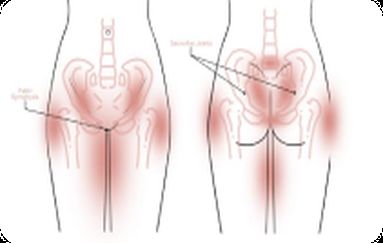
Pelvic girdle pain affects nearly one in five pregnant women, causing pain in the hips, pelvis, and lower back that worsens with walking or movement. Early physiotherapy and targeted exercises help reduce discomfort, improve mobility, support recovery, and lower the risk of persistent pain after childbirth.
WHY CHOOSE SPINEMANTRA For Pelvic Girdle Pain?
SpineMantra provides trusted care for pelvic girdle pain, especially during and after pregnancy. Our specialists use safe, evidence-based methods tailored to individual needs. Each treatment plan is customised to relieve pain, restore mobility, and prevent recurrence. We ensure you receive lasting support, not just temporary relief, so you can return to daily activities with confidence.
- Hormonal Changes: Relaxin promotes joint suppleness during pregnancy, but it can also overstretch ligaments surrounding the pelvis.
- Joint Misalignment: Postural and mechanical changes may misalign pelvic joints, causing uneven pressure and pain.
- Increased Weight Load: Carrying extra weight during pregnancy puts more strain on the pelvic tissues, which makes everyday tasks uncomfortable.
- Muscle Weakness: Stability, joint, and ligament strain are all reduced when the core and pelvic floor muscles are weak.
- Previous Pelvic Injury: Pregnancy-related joint vulnerability may result from a history of pelvic trauma or surgery.
- Walking Hurts – Each step becomes difficult when pelvic joints move abnormally. Pain increases during daily tasks and walking.
- Stairs Are Difficult – Climbing stairs adds pressure on unstable joints, making every step feel painful and exhausting.
- Rolling Over in Bed – Turning at night may trigger sharp pain in the pelvis, disturbing restful and restorative sleep.
- Individualised Physiotherapy Sessions
We offer individualised physiotherapy sessions, carefully crafted to address the underlying cause of pelvic girdle pain. Our professionals thoroughly evaluate posture, muscle function, and joint stability to devise a treatment plan. These sessions are aimed at alleviating discomfort while enhancing flexibility and mobility for everyday functions. Our practice ensures each patient is given distinctive exercises tailored to his/her specific condition.
- McKenzie Technique
At SpineMantra, we use the McKenzie Method, known for its effectiveness in reducing pain by encouraging correct movement patterns and safe joint alignment during pregnancy. The technique aims at precise movements which centralise pain and return the joint to optimal alignment. We employ the technique to enable patients to achieve sustained relief without relying on unnecessary medication for pain. Our experts are trained to modify the technique to be safely used during pregnancy.
- Stabilisation and Strengthening Exercises
We integrate core stabilisation and specific strengthening exercises to stabilise the pelvic area. They improve muscle endurance, reducing joint strain during movement. Significant improvement in walking, standing, and functional day-to-day activities is noticeable with regular sessions among patients. Our programmes are designed to ensure that progress is gradual but maintainable for long-term comfort and independence.
- Postural and Lifestyle Guidance
We teach patients how to adopt the right posture when involved in daily activities and sleeping postures. Our therapists offer useful advice on minimising strain when walking, sitting, or sleeping. We are confident that educating the patient helps quicken the recovery and avoid future recurrence of pelvic girdle pain. This blend of therapy and education guarantees a complete treatment protocol for overall maternal well-being.
- Patient History and Symptom Assessment
Diagnosis starts with a thorough review of your symptoms, stage of pregnancy, and activity restrictions. Clinicians query pain precipitants like walking, going up stairs, or rolling over in bed.
- Physical Examination
Our physiotherapists at SpineMantra assess pelvic joint alignment, muscle balance, and mobility to identify the sources of pain and functional restrictions.
- Movement and Functional Tests
Gait analysis and individual functional tasks are analysed to determine how motions exacerbate symptoms. These findings establish the degree of the condition as well as direct focused treatment.
- Ruling Out Other Conditions
Our physiotherapists carefully rule out related conditions such as sciatica, hip joint issues, or lower back strain to ensure an accurate diagnosis of pelvic girdle pain.