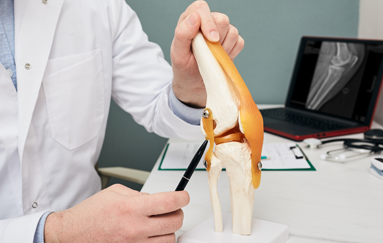
Knee osteoarthritis is a degenerative joint condition causing pain, stiffness, and reduced mobility as knee cartilage gradually wears away. It commonly affects older adults, especially women over 50, with prevalence rising after age 60. Risk factors include ageing, obesity, previous knee injuries, repetitive joint stress, family history, and physically demanding activities. Athletes and manual workers may develop symptoms earlier due to overuse or past trauma. Common symptoms include knee pain, stiffness, and difficulty while climbing stairs, standing, or walking.
Why Choose Spinemantra For Knee Osteoarthritis???
SpineMantra offers personalised physiotherapy care for knee osteoarthritis with a focus on long-term pain relief and improved mobility. Experienced physiotherapists use evidence-based methods, including the McKenzie technique, to treat the root cause effectively. Patients benefit from non-surgical, evidence-based solutions designed to restore joint health and enhance daily movement comfort.
- Aging: With age, the cartilage cushioning the knee joints gradually wears down. This reduced protection increases stiffness, discomfort, and loss of mobility. Osteoarthritis is particularly common among individuals above 50.
- Excess Body Weight: Carrying extra body weight puts continuous stress on the knee joints. Over time, this pressure accelerates cartilage breakdown and increases the risk of inflammation, worsening joint pain.
- Previous Knee Injuries: Fractures, ligament tears, or meniscus damage can alter knee mechanics. Such injuries often lead to uneven stress distribution on the joint, contributing to early cartilage wear.
- Genetics: Some people inherit genes that affect cartilage structure or joint alignment. This genetic predisposition can make cartilage more vulnerable to wear and tear, even at a younger age.
- Repetitive Stress on Knees: Jobs involving frequent kneeling, squatting, or heavy lifting place strain on the knees, accelerating cartilage damage and osteoarthritis. This constant mechanical stress gradually damages cartilage and accelerates osteoarthritis development.
- Persistent Knee Pain: Ongoing knee discomfort, which worsens during daily activities such as walking, climbing stairs, or prolonged standing, is a major symptom. The pain may feel dull or sharp and tends to increase after physical exertion.
- Stiffness and Reduced Flexibility: Stiffness, especially in the morning or after resting, is a key sign. It can limit knee movement, making it harder to bend or straighten the leg. This stiffness usually eases with gentle movement.
- Swelling and Joint Tenderness: Inflammation caused by cartilage damage often leads to swelling around the knee joint. The area may feel warm and tender when touched, indicating ongoing irritation within the joint.
- Physiotherapy and Strengthening Exercises: We focus on tailored physiotherapy programs that strengthen the muscles supporting the knee. Stronger muscles reduce pressure on the joint, improve stability, and enhance flexibility. Our physiotherapists guide patients through safe, progressive exercises that address stiffness and restore mobility.
- Pain Management Techniques: Physiotherapy at SpineMantra uses manual therapy, heat and cold therapy, and guided stretching to reduce discomfort. These methods improve circulation, support natural recovery, and provide relief without dependency on medications
- Lifestyle and Activity Modification: We educate patients on safe movement techniques to avoid joint strain. Simple changes such as using supportive footwear, pacing activities, and maintaining a healthy weight can significantly slow disease progression and reduce daily pain.
- McKenzie Technique for Long-Term Relief: At SpineMantra, we have chosen the McKenzie technique because it focuses on identifying specific movement patterns that either worsen or improve symptoms. Unlike general exercise routines, this method uses targeted movements to centralise pain and promote self-management. Our patients benefit by learning how to control flare-ups independently, reducing their reliance on frequent clinical visits. This empowers patients to maintain long-term knee health and manage symptoms independently.
We believe that personalised, non-surgical treatment should be the first choice for managing knee osteoarthritis. Our use of the McKenzie technique ensures we address the root cause of pain rather than just symptoms, giving patients sustainable improvements in mobility and quality of life. With a commitment to evidence-based care and patient education, we help individuals regain confidence in movement and enjoy an active lifestyle again.
- Medical History Review: It begins by discussing symptoms, their duration, and any past knee injuries. Details about lifestyle, occupation, and family history help identify risk factors and guide further examination.
- Physical Examination: The knee is checked for swelling, tenderness, stiffness, and range of motion. Physiotherapists may assess walking patterns to identify alignment issues or instability that indicate osteoarthritis symptoms.
- Imaging Tests: X-rays are commonly used to detect cartilage loss, bone spurs, and narrowing of the joint space. In some cases, MRI scans are recommended to assess soft tissue damage, such as meniscus tears or ligament injuries.
- Laboratory Tests: Blood tests may be done to rule out other conditions like rheumatoid arthritis. Joint fluid analysis can help confirm the absence of infection or inflammatory disorders, ensuring an accurate diagnosis.