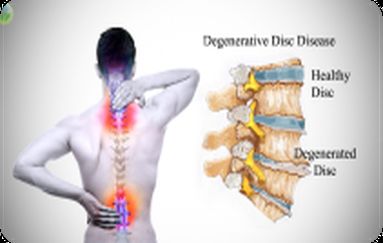
Disc degenerative diseases are known to commonly occur in adults who are or have crossed the age of 40 years. However, it must be noted that indicators of disc deterioration may be identified earlier. Almost 30% of the adults may show some symptoms which are associated with disc wear and may face little or no pain at all. Some of the risk factors which may cause this disease include genetics, ageing, an increase in body weight, physical exertion, and strains accumulated during work.
SpineMantra offers a unique solution for all such herniated disc-related problems, providing unique solutions that help in relieving pain.
Why Choose Spinemantra For Disc Degenerative Diseases?
Spine Mantra is your only solution for providing exclusive physical therapy for solving problems related to Disc Degenerative Diseases. Our surgery-free procedures help in making sure that your pain and problems decrease through non-invasive procedures. Talk with our experts to make sure that you get the right physiotherapy that increases the quality of your life today!
- Age Problems: Discs gradually lose their hydration and elasticity when you grow old, reducing the disc’s cushioning capacity. This happens faster if you are working in some jobs that result in strain.
- Strain or Injury: Trauma or repetitive stress over time results in undue wear, possibly leading to herniation. A herniated disc is often the first symptom which points towards DDD or Osteoarthritis.
- Genetic Factors: 39 to 65% of the patients who suffer from Osteoarthritis are seen to have a previous genetic disposition to the disease.
- Body Weight and Bad Lifestyle: Increased body weight and bad lifestyle, with limited movements or bad posture, may increase the problems related to Osteoarthritis.
- Smoking: Smoking may cause degeneration of joint cartilage, which ultimately leads to earlier and quicker development of Osteoarthritis.
SpineMantra provides complete guidance on how to prevent such issues from aggravating and provides solutions to manage the pain.
- Chronic Pain: If there is persistent pain in the back or neck, you must opt for periodic checkups.
- Activity-Based Pain: A person may face problems related to sitting, bending, or twisting; you must opt for treatment.
- Nerve-Related Issues: Tinging and numbing sensations in the back or limbs suggest a problem related to Osteoarthritis.
- Reduction of Flexibility: Limitations in the spinal movement and flexibility point towards degenerative disc disease.
- Relief During Walking or Lying: The pain reduces during walking or lying down.
- Weakness of Muscle or Spasms: Nerve damage due to disc degeneration in the advanced stages may cause such problems.
At Spinematra our doctors use the McKenzie Method via specific reductive exercises to relieve pain and enhance mobility. Our licensed therapists walk every patient through evaluation and customised treatment plans for permanent relief. Regular sessions improve spinal positioning, minimise disc deterioration, and increase overall quality of everyday living. Other methods we use are:
- Manual Therapy: Movement of body movements which are known to relieve discomfort in the back.
- Exercises Strengthening the Core: Corrective actions and treatments which help in building abdominal muscles to relieve pressure from the back.
- Correcting the Posture: Exercises and options which help in correcting the posture and remove the pressure applied on the back.
- Flexibility and Stretching Exercises: Specific exercises are also offered to increase flexibility around the joints, providing them the freedom to move.
- Heat and Cold Therapy: Heat and cold pad-based therapy to minimise inflammation and help remove the pain.
Body Mechanics: They also provide recommendations on how to stand, sit, and turn without causing sprains and other posture-related problems.
The procedure to diagnose Disc Degenerative Disease is as follows:
- Physical Examination: Physical examination involves understanding the general positioning and alignment of the spine.
- Reviewing the Patient History: Assessing the patient’s medical history and genetic predisposition, which causes Disc Degeneration Disease.
- Understanding the Pain: Analysing the area of the pain and the level of the pain.
- Analysing the Range of Motion: Evaluate the range of motion which the spine can perform.
- Analysing Your Posture: Evaluate and understand the posture of the patient and analyse the pressure distribution on the spine.
- Disruptions in Daily Life: Understand the severity of the pain and how it impacts their life.
Spine Mantra offers multiple non-surgical treatments and solutions which can help manage Disc Degenerative Disease and provide a healthier life